
Cryptid Sightings on Tape Labeled "Himalaya 1996" Found in Gradma's Attic: Real or Fake?
Author: De-Reviews.com Team
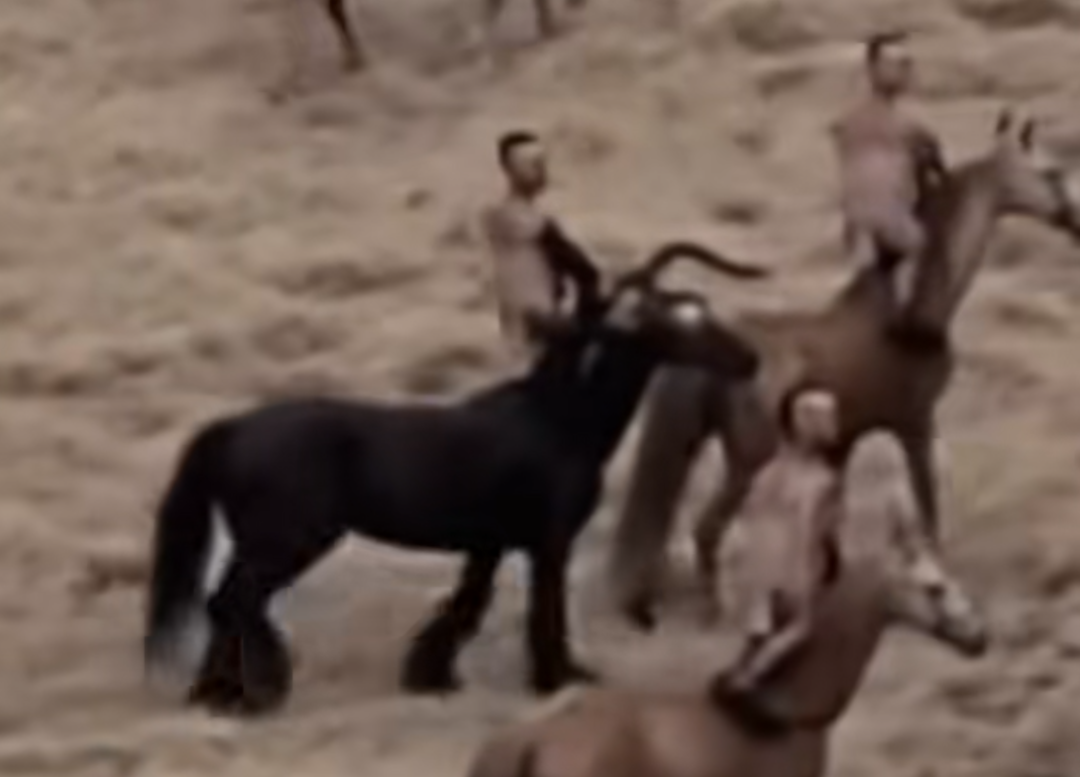
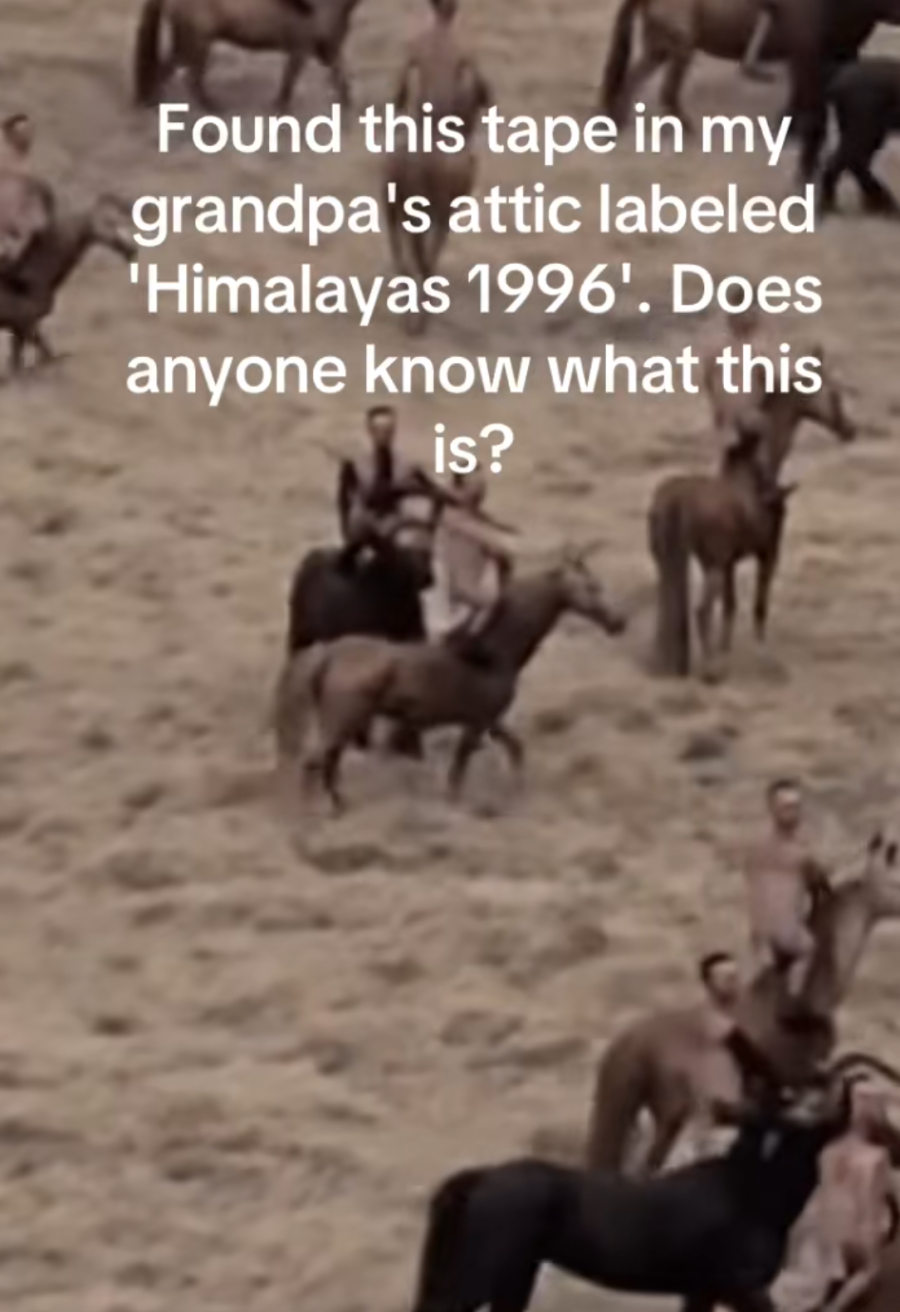
A mysterious TikTok video has recently caught the attention of many curious viewers. The clip is shared by the TikTok account @Mqyfrqxd and claims to show a strange creature discovered on an old tape found in a grandma’s attic, labeled “Himalaya 1996.” According to the video, the figure resembles Sagittarius, a centaur like being from ancient mythology. The description hints that this could be a cryptid sighting, leaving viewers wondering, could this be real, or is there more to the story?
At first glance, the claim is intriguing. The combination of an old tape, a remote and mysterious location like the Himalayas, and a forgotten attic discovery creates a powerful narrative. These elements are commonly used in so called “found footage” stories because they give the impression of authenticity while making verification difficult. The video itself appears grainy and dark, which further strengthens the illusion of age and secrecy.
However, when we slow down and look at the details more carefully, questions begin to appear.
Understanding the Creature Shown In The Video:
The creature shown in the video resembles Sagittarius. Sagittarius is not a cryptid, nor is it an animal that has ever been claimed to exist in the real world. It originates from Greek mythology and is widely known as a symbolic figure, half human and half horse, associated with the zodiac. Unlike cryptids such as Bigfoot or the Yeti, which are at least theorized as undiscovered animals, Sagittarius has always been understood as a mythological concept rather than a biological entity.
This raises an important question: if the creature shown in the video looks like Sagittarius, which is based on mythology rather than zoology, why is it being framed as a cryptid sighting?
The “Himalaya 1996” Label and the Attic Backstory:
Another major element of the video’s appeal is the label “Himalaya 1996.” Using a past year immediately makes the footage feel rare and untraceable. Pairing that with the claim that it was found in a grandma’s attic removes the need for any supporting evidence, such as the original camera, filming details, or eyewitness accounts.
From an investigative standpoint, this is a classic tactic. Many viral hoaxes and misleading videos rely on vague origins and unverifiable sources to avoid scrutiny. Without any documentation, location confirmation, or third party validation, such claims remain stories not proof.
The Biggest Clue Hidden in Plain Sight:
After reading the video description carefully, an important detail stands out. Beneath the caption, TikTok displays a notice stating “Contains AI-generated media”. This label is automatically applied by TikTok when its systems detect that a video was created or altered using artificial intelligence.
This changes everything.
If the platform itself flags the content as AI-generated, it strongly suggests that:
- The creature was digitally created or enhanced.
- The footage is not an authentic recording from 1996.
- The “grandma’s attic” story is part of a narrative, not evidence.
Why This Video Is Likely AI-Generated?
There are several reasons why this clip fits the pattern of AI-generated content:
- Unnatural creature design: The creature’s appearance blends human and animal features in an unnaturally smooth way. AI models are particularly good at producing mythological hybrids, often resulting in visuals that look convincing at first glance but lack real-world biological accuracy.
- Lack of real world interaction: The movement of the creature does not appear to interact naturally with its surroundings. Shadows, depth, and motion feel inconsistent, another common issue in AI-generated or heavily edited videos.
- No verifiable source: There is a complete absence of verifiable information. No original tape footage, no raw files, no camera details, and no independent witnesses are provided.
- AI disclosure label: Most importantly, TikTok itself identifies the media as AI-generated.
What We Think and Why?
In our view, this video is not real footage of a cryptid or unknown creature. Instead, it appears to be AI-generated content designed for storytelling and engagement. The creator likely used the “found footage” format because it works well on social media and encourages people to speculate and share.
That doesn’t mean the video is pointless or misleading by default, it can still be creative or entertaining. But it should be viewed as fiction or digital art, not evidence of a real cryptid sighting.
Final Thoughts:
The “Himalaya 1996” Sagittarius video is a great example of how convincing AI-generated media has become. While the story is intriguing and the presentation feels mysterious, the facts point clearly toward digital creation rather than a real discovery.
As AI content continues to spread online, it’s more important than ever to:
- Read descriptions carefully.
- Look for platform labels.
- Question extraordinary claims.
- Verify the content in reliable sources.
Mystery is fun but clarity keeps us informed.
Report a Scam!

Have you fallen for a hoax, bought a fake product? Report the site and warn others!
Scam Categories
Help & Info
Top Safety Picks
Your Go-To Tools for Online SafetyDisclaimer: Some of the links here are affiliate links. If you click them and make a purchase, we may earn a commission at no extra cost to you.
- ScamAdviser App - iOS : Your personal scam detector, on the go! Check website safety, report scams, and get instant alerts. Available on iOS
- ScamAdviser App - Android : Your personal scam detector, on the go! Check website safety, report scams, and get instant alerts. Available on Android.
- NordVPN : NordVPN keeps your connection private and secure whether you are at home, traveling, or streaming from another country. It protects your data, blocks unwanted ads and trackers, and helps you access your paid subscriptions anywhere. Try it Today!
- Incogni : Incogni automatically removes your personal data from data brokers that trade in personal information online, helping reduce scam and identity theft risks without the hassle of manual opt-outs. Reclaim your privacy now!
Popular Stories
In a nutshell: A good VPN protects your privacy with strong encryption, a strict no-logs policy, and fast protocols like WireGuard. The best VPNs also offer wide server coverage, leak protection, and easy-to-use apps for all devices. For 2025, the top providers are NordVPN, ExpressVPN, Surfshark, Proton VPN, Private Internet Access, CyberGhost, and Mullvad—each excelling in speed, security, or value. In an age where every click is tracked, a Virtual Private Network (VPN) is no longer just a luxury—it's an essential tool for digital privacy and security. A VPN works by creating a secure, encrypted tunnel between your device and the internet, masking your real IP address and protecting your sensitive data from prying eyes. But with hundreds of providers out there, how do you sort the secure from the suspect? This guide breaks down the non-negotiable features of a quality VPN and highlights the 7 top-rated services for 2025. What to Look for in a Good VPN: The 4 Non-Negotiable Pillars 1. Ironclad Security Features Strong Encryption: AES-256, the gold standard. Secure Protocols: OpenVPN, WireGuard, NordLynx, Lightway. Avoid PPTP. Kill Switch: Ensures no accidental IP leaks. Leak Protection: Covers DNS, IPv6, and WebRTC. 2. Verified Privacy Practices No-Logs Policy: No activity or metadata tracking. Independent Audits: Verification by third parties. Safe Jurisdiction: Prefer countries outside the 5/9/14 Eyes alliances. 3. High-Speed Performance Fast Protocols: WireGuard and equivalents. Large Server Network: Less crowding, more reliable speeds. 4. Essential Usability Features Multi-Device Apps: Windows, Mac, iOS, Android, routers. Simultaneous Connections: One account, many devices. Unblocking Power: Netflix, Hulu, BBC
How to Protect Yourself and Your Family After a Data Breach When Your Data Falls Into the Wrong Hands Just received that terrifying notification? Or perhaps you've noticed suspicious activity in your accounts? Take a deep breath. A data breach, the unauthorized access or exposure of sensitive, protected, or confidential data, is a deeply unsettling event. It can plunge you into a world of worry, bringing risks from financial losses and identity theft to significant emotional distress and reputational damage. The numbers don't lie: according to a 2024 report, the number of data breach victim notices has grown by a staggering 211% year-over-year. This isn't just a distant threat; it's a stark reality many individuals face. This year alone, we've seen major organizations like Adidas and Qantas grapple with high-profile data breaches, affecting countless customers. This underscores a critical truth: nobody is untouchable. Subsequently, strategic action is the only way to minimize the risk and protect your future. This guide is your emergency action plan, designed to walk you through every crucial step—from confirming the breach to fortifying your digital life for the long term. Part 1: Confirming the Breach and Understanding the Damage The very first step is to answer the question definitively: Was my data compromised, and if so, how badly? Start with the basics: Check Official NotificationsReputable companies are legally obligated to inform you if your data was part of a breach. Look for official emails, letters, or public announcements. Check Verified Breach DatabasesPlatforms like HaveIBeenPwned help you see if