
How to Get Your Money Back After a Scam
Author: Adam Collins
Been Scammed? Here’s What to Do Right Away
You clicked. You trusted. And now your money's gone.
We won’t sugarcoat it, being scammed sucks. Whether it was a smooth-talking crypto "expert," a fake online store, or a too-good-to-be-true investment, the result feels the same: violated, angry, and unsure what to do next.
Here’s the good news: you’re not powerless. While not everyone gets their money back, there are steps you can take. And the sooner you act, the better your chances.
Let’s break it down.
Immediate Actions to Take After a Scam
Time is your best friend. As soon as you realize you’ve been scammed, take these steps:
Contact Your Bank or Payment Provider
Whether it was a credit card scam, bank transfer, or mobile payment app, notify your bank immediately.
Banks can reverse fraudulent transactions or at least freeze further activity. If you used a credit card, ask about chargebacks—they’re your best shot at getting refunded.
Gather Evidence to Strengthen Your Case
Save everything: emails, receipts, screenshots, account numbers, conversations—anything that proves what happened. This documentation is your ammo when dealing with banks, authorities, or even reporting platforms.
Can You Get Your Money Back After a Scam?
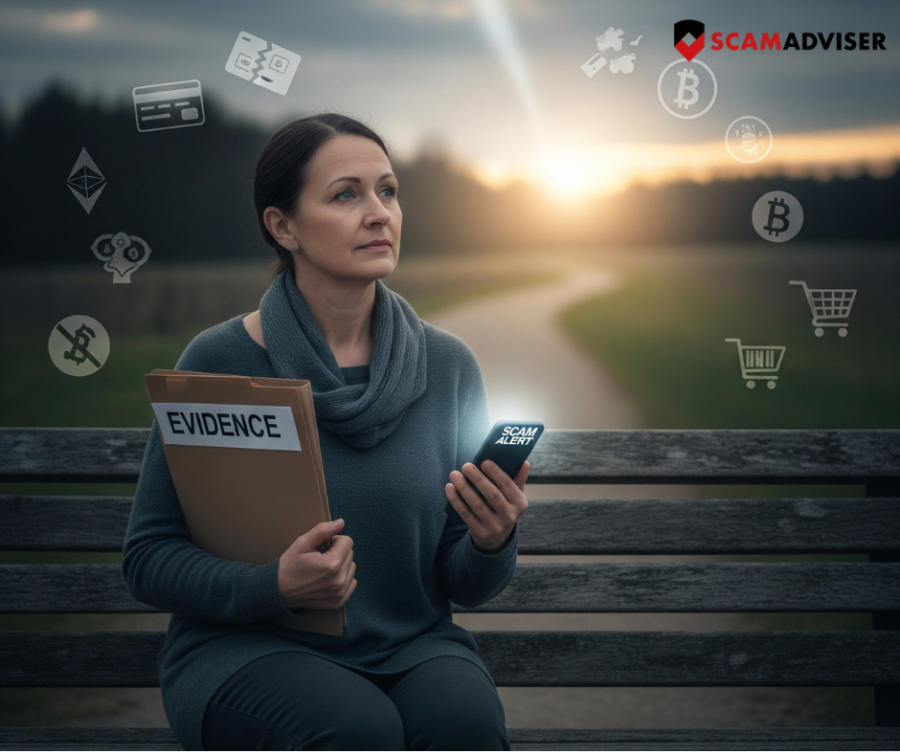
Some payment methods are more forgiving than others. Here's a quick cheat sheet:
Credit Card Refunds for Fraud
Best-case scenario. Most credit cards offer chargeback protection. You typically have up to 60–120 days to file a dispute, depending on the provider.
What to Do About Wire Transfer Scams
Trickier, but not hopeless. If you act immediately, your bank might be able to recall the transfer, especially if the money hasn’t reached the scammer’s account yet.
Are Crypto Scam Funds Recoverable?
This one stings. Crypto transactions are irreversible. Recovery is rare and mostly limited to tracing wallets for reporting purposes. Be extremely cautious of anyone claiming they can “recover” your crypto for a fee (more on that below).
What If You Paid by Gift Card or Money App?
If you paid with a gift card, call the card issuer and report it. Sometimes they can freeze the balance—if you're lucky.
Apps like Cash App, Venmo, or Zelle offer limited support. Still, report the fraud and ask if they can intervene.
Will You Get Your Money Back? (And Who Not to Trust)
Don’t Fall for Fake Recovery Services
Here’s the honest truth: it depends. Your payment method, how fast you acted, and the nature of the scam all play a role. While credit card fraud has high recovery odds, crypto and gift card scams? Not so much.
This is where it gets cruel: Some scammers pose as recovery agents and offer to get your money back, for a fee. Spoiler alert: they’re scammers too.
If someone promises a guaranteed recovery, walk away. Or better yet—run.
Report the Scam to Trusted Authorities
Use legit resources instead:
- Your country’s fraud reporting center (e.g., FTC, Action Fraud, Europol, etc.)
- ScamAdviser.com (tracks and reports suspicious websites)
- Your local police or cybercrime unit
Also, consider linking directly to any recovery or scam-reporting platforms you used.
How to Emotionally Recover from Being Scammed
Let’s not ignore the emotional damage. Getting scammed can feel personal, because it is.
You’re not foolish. You were targeted. And that’s a huge difference.
You’re Not Alone—And It’s Not Your Fault
Talk about it. Find online communities or support groups. Being scammed is more common than most people admit—and there’s strength in shared experience.
Build Your Scam-Prevention Toolkit
Here’s your new scam-fighting toolkit:
- Google everything. Especially deals, websites, or new contacts.
- Never pay via gift card or crypto to people you don’t know IRL.
- Look for reviews on sites like ScamAdviser before buying.
- Slow down. Most scams rely on urgency to cloud your judgment.
Bottom Line: It Hurts Now, But You’re Going To Come Back Stronger
Getting scammed is painful. But recovery—both financial and emotional—is possible.
The key? Act quickly. Stay skeptical. And don’t beat yourself up.
Because falling for a scam doesn’t make you stupid—it means you're human.
And if you ever need a second opinion, a gut check, or just someone to help untangle the mess… we’ve got your back.
Before you click, check with ScamAdviser.com—it’s a quick way to verify websites, phone numbers, crypto wallets, and even IBANs. On mobile? No worries—the ScamAdviser app has you covered 24/7, keeping you safer wherever you browse.
Report a Scam!

Have you fallen for a hoax, bought a fake product? Report the site and warn others!
Scam Categories
Help & Info
Top Safety Picks
Your Go-To Tools for Online SafetyDisclaimer: Some of the links here are affiliate links. If you click them and make a purchase, we may earn a commission at no extra cost to you.
- ScamAdviser App - iOS : Your personal scam detector, on the go! Check website safety, report scams, and get instant alerts. Available on iOS
- ScamAdviser App - Android : Your personal scam detector, on the go! Check website safety, report scams, and get instant alerts. Available on Android.
- NordVPN : NordVPN keeps your connection private and secure whether you are at home, traveling, or streaming from another country. It protects your data, blocks unwanted ads and trackers, and helps you access your paid subscriptions anywhere. Try it Today!
- Incogni : Incogni automatically removes your personal data from data brokers that trade in personal information online, helping reduce scam and identity theft risks without the hassle of manual opt-outs. Reclaim your privacy now!
Popular Stories
In a nutshell: A good VPN protects your privacy with strong encryption, a strict no-logs policy, and fast protocols like WireGuard. The best VPNs also offer wide server coverage, leak protection, and easy-to-use apps for all devices. For 2025, the top providers are NordVPN, ExpressVPN, Surfshark, Proton VPN, Private Internet Access, CyberGhost, and Mullvad—each excelling in speed, security, or value. In an age where every click is tracked, a Virtual Private Network (VPN) is no longer just a luxury—it's an essential tool for digital privacy and security. A VPN works by creating a secure, encrypted tunnel between your device and the internet, masking your real IP address and protecting your sensitive data from prying eyes. But with hundreds of providers out there, how do you sort the secure from the suspect? This guide breaks down the non-negotiable features of a quality VPN and highlights the 7 top-rated services for 2025. What to Look for in a Good VPN: The 4 Non-Negotiable Pillars 1. Ironclad Security Features Strong Encryption: AES-256, the gold standard. Secure Protocols: OpenVPN, WireGuard, NordLynx, Lightway. Avoid PPTP. Kill Switch: Ensures no accidental IP leaks. Leak Protection: Covers DNS, IPv6, and WebRTC. 2. Verified Privacy Practices No-Logs Policy: No activity or metadata tracking. Independent Audits: Verification by third parties. Safe Jurisdiction: Prefer countries outside the 5/9/14 Eyes alliances. 3. High-Speed Performance Fast Protocols: WireGuard and equivalents. Large Server Network: Less crowding, more reliable speeds. 4. Essential Usability Features Multi-Device Apps: Windows, Mac, iOS, Android, routers. Simultaneous Connections: One account, many devices. Unblocking Power: Netflix, Hulu, BBC
How to Protect Yourself and Your Family After a Data Breach When Your Data Falls Into the Wrong Hands Just received that terrifying notification? Or perhaps you've noticed suspicious activity in your accounts? Take a deep breath. A data breach, the unauthorized access or exposure of sensitive, protected, or confidential data, is a deeply unsettling event. It can plunge you into a world of worry, bringing risks from financial losses and identity theft to significant emotional distress and reputational damage. The numbers don't lie: according to a 2024 report, the number of data breach victim notices has grown by a staggering 211% year-over-year. This isn't just a distant threat; it's a stark reality many individuals face. This year alone, we've seen major organizations like Adidas and Qantas grapple with high-profile data breaches, affecting countless customers. This underscores a critical truth: nobody is untouchable. Subsequently, strategic action is the only way to minimize the risk and protect your future. This guide is your emergency action plan, designed to walk you through every crucial step—from confirming the breach to fortifying your digital life for the long term. Part 1: Confirming the Breach and Understanding the Damage The very first step is to answer the question definitively: Was my data compromised, and if so, how badly? Start with the basics: Check Official NotificationsReputable companies are legally obligated to inform you if your data was part of a breach. Look for official emails, letters, or public announcements. Check Verified Breach DatabasesPlatforms like HaveIBeenPwned help you see if