
How to Recognize a Romance Scam
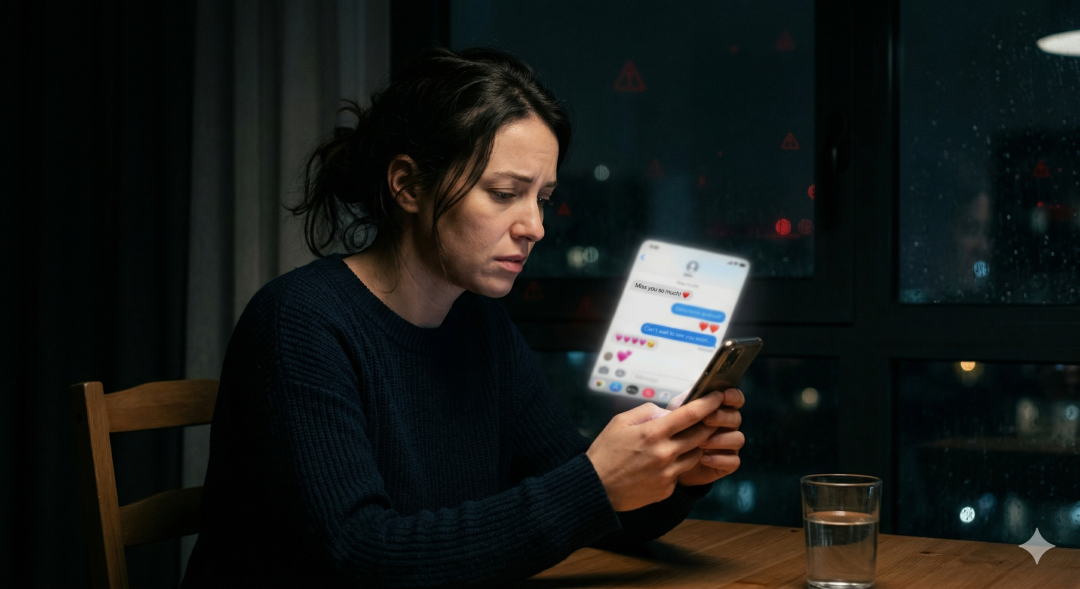
Author: Adam Collins
In a Nutshell
- Identify a fake dating profile by using reverse image search to see if their photos are stolen or stock images.
- Watch for "love bombing"—the tactic of showering you with excessive affection and talk of a "soulmate" connection within days.
- Never send money, "Apple gift cards," or "cryptocurrency" to someone you have not met in person, regardless of the emergency.
- Be wary of professionals who claim to be "stationed overseas" or "working on an oil rig" as a reason to avoid video calls.
In recent reports, the FTC found that consumers lost over $1.16 billion to romance scams annually, with median individual losses reaching record highs. From the "lonely widower" on social media to the "high-flying crypto trader" on dating apps, these criminals specialize in manufacturing artificial intimacy to drain your bank account. You are reading this because a new online connection feels a little too perfect, or they have just asked for a "small favor" that involves your wallet.
How do I spot a fake dating profile?
Scammers often use synthetic or stolen faces; they utilize AI-generated images or high-quality photos from influencers and professional models to create an aspirational persona. You should look for profiles that lack candid, "everyday" photos or those that feature inconsistent details between the bio and the imagery. A profile showing a "struggling student" who only wears designer watches is a clear sign of a deceptive setup.
What does the grooming cycle look like?
The grooming cycle is a psychological process where the scammer systematically builds your trust before the "ask" for money occurs. It begins with "love bombing"—a period of intense, constant communication where they mirror your interests and profess deep love far too quickly. They want to create an emotional dependency that makes you feel "guilty" if you later question their intentions.
How should I verify their identity early?
Authentic people are generally happy to prove who they are, whereas scammers rely on "technical difficulties" or AI-driven excuses to remain anonymous. You should insist on a live video call early in the relationship and ask them to perform a specific, random action (like holding up three fingers) to ensure you aren't seeing a deepfake. If they claim their "camera is broken" or their "internet is restricted" by the military, you are almost certainly talking to a fraudster.
Why do they claim to be overseas professionals?
Criminals use specific personas like "military officers," "international doctors," or "offshore engineers" because these jobs provide a built-in excuse for why they cannot meet you. This "geographic distance"—the physical gap between you and the person—is a calculated tool used to maintain the illusion without physical contact. If their story involves being stuck in a remote location with no access to their own funds, it is a script, not a reality.
What is the "sudden crisis" tactic?
The "crisis" is the moment the scammer converts your emotional investment into cash. They will share "sob stories" about a sick relative, a "frozen bank account," or a sudden legal problem that requires immediate payment. They often create a sense of urgency, insisting you act "only today" to prevent a catastrophe that doesn't actually exist.
Which payment requests should I refuse?
Scammers demand payment through methods that are "irreversible"—meaning once the money is sent, it cannot be recovered by your bank. You should be immediately suspicious if anyone asks for "gift cards," "wire transfers," or "crypto assets" like Bitcoin. No legitimate romantic partner or professional organization will ever ask you to pay a medical bill or travel fee using a Steam or Amazon gift card.
How do I use reverse image search?
This technical tool cross-references an image against billions of other files on the internet to find its original source. You can use "Google Lens" or "TinEye" by uploading the person's profile picture to see if it appears on other websites under different names. If the person you are talking to as "Mark from Chicago" also appears on a stock photo site as "Smiling Businessman," the profile is a lie.
What are common gaslighting tactics?
If you begin to ask logical questions about their story, a scammer will often use "gaslighting"—a form of manipulation intended to make you doubt your own sanity or memory. They may get "angry" or "hurt" that you don't trust them, using your own empathy against you to shut down your investigation. A real person who cares for you will understand your need for safety and will not pressure you into silence.
Frequently Asked Questions
What is the most common lie romance scammers tell?
Scammers most frequently claim they need money for a medical emergency or to pay for travel to finally meet you in person.
Is it safe to send a small amount of money first?
Sending even a small amount of money signals to the scammer that you are a "paying lead," which often leads to more aggressive and expensive demands.
Where should I report a suspected romance scam?
You should immediately report the profile to the dating app and file an official report with the FBI’s Internet Crime Complaint Center at ic3.gov.
Skepticism in the world of online dating is not paranoia; it is a necessary layer of digital self-defense that protects your life savings. Your money is never safer than when it stays in your own account, regardless of the "love" promised on the other side of the screen.
Adam Collins is a cybersecurity researcher at ScamAdviser who operates under a pseudonym for privacy and security. With over four years on the digital frontlines and 1,500+ days spent deconstructing thousands of fraud schemes, he specialises in translating complex threats into actionable advice. His mission: exposing red flags so you can navigate the web with confidence.
Report a Scam!

Have you fallen for a hoax, bought a fake product? Report the site and warn others!
Scam Categories
Help & Info
Top Safety Picks
Your Go-To Tools for Online SafetyDisclaimer: Some of the links here are affiliate links. If you click them and make a purchase, we may earn a commission at no extra cost to you.
- ScamAdviser App - iOS : Your personal scam detector, on the go! Check website safety, report scams, and get instant alerts. Available on iOS
- ScamAdviser App - Android : Your personal scam detector, on the go! Check website safety, report scams, and get instant alerts. Available on Android.
- NordVPN : NordVPN keeps your connection private and secure whether you are at home, traveling, or streaming from another country. It protects your data, blocks unwanted ads and trackers, and helps you access your paid subscriptions anywhere. Try it Today!
- Incogni : Incogni automatically removes your personal data from data brokers that trade in personal information online, helping reduce scam and identity theft risks without the hassle of manual opt-outs. Reclaim your privacy now!
Popular Stories
In a nutshell: A good VPN protects your privacy with strong encryption, a strict no-logs policy, and fast protocols like WireGuard. The best VPNs also offer wide server coverage, leak protection, and easy-to-use apps for all devices. For 2025, the top providers are NordVPN, ExpressVPN, Surfshark, Proton VPN, Private Internet Access, CyberGhost, and Mullvad—each excelling in speed, security, or value. In an age where every click is tracked, a Virtual Private Network (VPN) is no longer just a luxury—it's an essential tool for digital privacy and security. A VPN works by creating a secure, encrypted tunnel between your device and the internet, masking your real IP address and protecting your sensitive data from prying eyes. But with hundreds of providers out there, how do you sort the secure from the suspect? This guide breaks down the non-negotiable features of a quality VPN and highlights the 7 top-rated services for 2025. What to Look for in a Good VPN: The 4 Non-Negotiable Pillars 1. Ironclad Security Features Strong Encryption: AES-256, the gold standard. Secure Protocols: OpenVPN, WireGuard, NordLynx, Lightway. Avoid PPTP. Kill Switch: Ensures no accidental IP leaks. Leak Protection: Covers DNS, IPv6, and WebRTC. 2. Verified Privacy Practices No-Logs Policy: No activity or metadata tracking. Independent Audits: Verification by third parties. Safe Jurisdiction: Prefer countries outside the 5/9/14 Eyes alliances. 3. High-Speed Performance Fast Protocols: WireGuard and equivalents. Large Server Network: Less crowding, more reliable speeds. 4. Essential Usability Features Multi-Device Apps: Windows, Mac, iOS, Android, routers. Simultaneous Connections: One account, many devices. Unblocking Power: Netflix, Hulu, BBC
How to Protect Yourself and Your Family After a Data Breach When Your Data Falls Into the Wrong Hands Just received that terrifying notification? Or perhaps you've noticed suspicious activity in your accounts? Take a deep breath. A data breach, the unauthorized access or exposure of sensitive, protected, or confidential data, is a deeply unsettling event. It can plunge you into a world of worry, bringing risks from financial losses and identity theft to significant emotional distress and reputational damage. The numbers don't lie: according to a 2024 report, the number of data breach victim notices has grown by a staggering 211% year-over-year. This isn't just a distant threat; it's a stark reality many individuals face. This year alone, we've seen major organizations like Adidas and Qantas grapple with high-profile data breaches, affecting countless customers. This underscores a critical truth: nobody is untouchable. Subsequently, strategic action is the only way to minimize the risk and protect your future. This guide is your emergency action plan, designed to walk you through every crucial step—from confirming the breach to fortifying your digital life for the long term. Part 1: Confirming the Breach and Understanding the Damage The very first step is to answer the question definitively: Was my data compromised, and if so, how badly? Start with the basics: Check Official NotificationsReputable companies are legally obligated to inform you if your data was part of a breach. Look for official emails, letters, or public announcements. Check Verified Breach DatabasesPlatforms like HaveIBeenPwned help you see if