
I Got Scammed on Facebook Marketplace — What Do I Do Now?
Author: Adam Collins
In a Nutshell
- Stop all contact immediately and do not send any "shipping" or "insurance" fees.
- Collect evidence by taking screenshots of the listing, the seller’s profile, and all chat logs.
- Contact your bank or payment provider to report the transaction as fraud.
- Report the incident to official authorities like Action Fraud (UK) or the FTC (US).
Vehicle scams on Facebook Marketplace have surged throughout 2025 and 2026, targeting buyers looking for a fair deal in a high-priced market. You likely found a car listed at a "too good to be true" price, only for the seller to claim they are currently working abroad or stationed overseas. If you have already sent a deposit or are currently being pressured to pay for "escrow services," you are facing a professional facebook marketplace car scam.
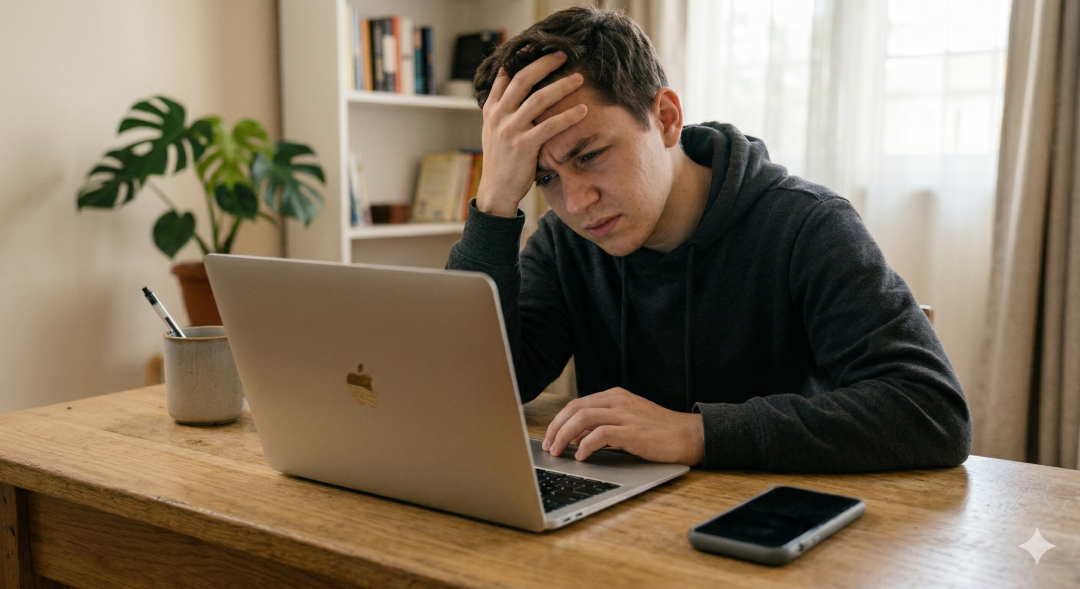
This situation is incredibly stressful, but your priority now is damage control. Scammers rely on your panic to squeeze out more money through "unexpected" customs fees or delivery delays. By acting within the first few hours, you increase your chances of recovering funds and preventing further identity theft.
How the vehicle scam playbook works
The "out of country car scam" follows a rigid script designed to bypass your natural suspicion. The seller uses a hijacked Facebook account—often one with years of history—to appear trustworthy while listing a vehicle they do not actually own. They explain their inability to meet in person by claiming they are on a military deployment or a long-term work assignment out of the country.
Once you are hooked, they direct you to a fake third-party shipping company or a "protected" escrow site that looks nearly identical to eBay Motors or a legitimate logistics firm. They insist on untraceable payment methods like wire transfers, cryptocurrency, or digital gift cards. This ensures that once the money is sent, it disappears into a web of offshore accounts before you realize the car never existed.
Five steps to take right now
1. Stop all contact and block the seller. Once a scammer realizes you are suspicious, they will often pivot to a "recovery scam" by posing as a helpful agent who can get your money back for a fee. Do not engage with any threats they make regarding legal action or "abandoned property" fees. Every further interaction is simply another opportunity for them to manipulate your emotions.
2. Screenshot everything immediately. Facebook listings can be deleted in seconds, and once the seller blocks you, your access to the profile may vanish. Capture the original listing price, the seller's URL, every line of your conversation, and any invoices or "tracking numbers" they sent you. These documents serve as the primary evidence for your bank and law enforcement reports.
3. Alert your bank or payment provider. If you paid via credit or debit card, call your bank and ask for the "fraud department" to initiate a chargeback. For those in the UK who used a bank transfer, mention the "APP fraud" (Authorized Push Payment) reimbursement scheme [VERIFY]. If you used a wire transfer in the US, contact the wire service (like Western Union or MoneyGram) and the FBI’s IC3 immediately.
4. Report the listing to Facebook. Navigate to the listing and use the "Report" tool to flag it as a scam, then do the same for the seller’s personal profile. While this may not get your money back, it helps Facebook’s automated systems identify and take down similar fraudulent listings before others fall victim. This is a vital step in making people wonder, "is facebook marketplace safe?" less often.
5. File an official government report. In the UK, you must report the crime to Action Fraud; in the US, use the FTC’s reporting portal at reportfraud.ftc.gov. These agencies rarely investigate individual cases, but they provide you with a crime reference number. Banks often require this official number before they will process a formal fraud claim or insurance reimbursement.
How to spot a fake car listing
Preventing a facebook marketplace vehicle scam in the future requires a "no exceptions" approach to online shopping. First, perform a reverse image search on the car photos; if the same vehicle appears in listings across five different states, it is a stock photo. Second, compare the price against market leaders like AutoTrader or Cars.com—a price 30% below market value is almost always a trap.
The most important rule for any facebook marketplace deposit scam is to never send money before a physical inspection. A legitimate seller will never pressure you into using a "secure" link or a shipping service before you have seen the car and the title in person. If the seller refuses to meet or claims the car is in a storage container ready to ship, walk away immediately regardless of the price.
Falling for a professionally engineered fraud does not make you naive; it means you were targeted by experts who exploit human trust. These criminals spend all day refining their scripts to sound helpful and urgent, making it difficult for anyone to stay objective. Take the steps listed above, report the incident to the authorities, and remember that your safety is more valuable than any "bargain" listing.
Never send money toward a vehicle you have not physically inspected and verified in person.
Adam Collins is a cybersecurity researcher at ScamAdviser who operates under a pseudonym for privacy and security. With over four years on the digital frontlines and 1,500+ days spent deconstructing thousands of fraud schemes, he specialises in translating complex threats into actionable advice. His mission: exposing red flags so you can navigate the web with confidence.
Report a Scam!

Have you fallen for a hoax, bought a fake product? Report the site and warn others!
Scam Categories
Help & Info
Top Safety Picks
Your Go-To Tools for Online SafetyDisclaimer: Some of the links here are affiliate links. If you click them and make a purchase, we may earn a commission at no extra cost to you.
- ScamAdviser App - iOS : Your personal scam detector, on the go! Check website safety, report scams, and get instant alerts. Available on iOS
- ScamAdviser App - Android : Your personal scam detector, on the go! Check website safety, report scams, and get instant alerts. Available on Android.
- NordVPN : NordVPN keeps your connection private and secure whether you are at home, traveling, or streaming from another country. It protects your data, blocks unwanted ads and trackers, and helps you access your paid subscriptions anywhere. Try it Today!
- Incogni : Incogni automatically removes your personal data from data brokers that trade in personal information online, helping reduce scam and identity theft risks without the hassle of manual opt-outs. Reclaim your privacy now!
Popular Stories
In a nutshell: A good VPN protects your privacy with strong encryption, a strict no-logs policy, and fast protocols like WireGuard. The best VPNs also offer wide server coverage, leak protection, and easy-to-use apps for all devices. For 2025, the top providers are NordVPN, ExpressVPN, Surfshark, Proton VPN, Private Internet Access, CyberGhost, and Mullvad—each excelling in speed, security, or value. In an age where every click is tracked, a Virtual Private Network (VPN) is no longer just a luxury—it's an essential tool for digital privacy and security. A VPN works by creating a secure, encrypted tunnel between your device and the internet, masking your real IP address and protecting your sensitive data from prying eyes. But with hundreds of providers out there, how do you sort the secure from the suspect? This guide breaks down the non-negotiable features of a quality VPN and highlights the 7 top-rated services for 2025. What to Look for in a Good VPN: The 4 Non-Negotiable Pillars 1. Ironclad Security Features Strong Encryption: AES-256, the gold standard. Secure Protocols: OpenVPN, WireGuard, NordLynx, Lightway. Avoid PPTP. Kill Switch: Ensures no accidental IP leaks. Leak Protection: Covers DNS, IPv6, and WebRTC. 2. Verified Privacy Practices No-Logs Policy: No activity or metadata tracking. Independent Audits: Verification by third parties. Safe Jurisdiction: Prefer countries outside the 5/9/14 Eyes alliances. 3. High-Speed Performance Fast Protocols: WireGuard and equivalents. Large Server Network: Less crowding, more reliable speeds. 4. Essential Usability Features Multi-Device Apps: Windows, Mac, iOS, Android, routers. Simultaneous Connections: One account, many devices. Unblocking Power: Netflix, Hulu, BBC
How to Protect Yourself and Your Family After a Data Breach When Your Data Falls Into the Wrong Hands Just received that terrifying notification? Or perhaps you've noticed suspicious activity in your accounts? Take a deep breath. A data breach, the unauthorized access or exposure of sensitive, protected, or confidential data, is a deeply unsettling event. It can plunge you into a world of worry, bringing risks from financial losses and identity theft to significant emotional distress and reputational damage. The numbers don't lie: according to a 2024 report, the number of data breach victim notices has grown by a staggering 211% year-over-year. This isn't just a distant threat; it's a stark reality many individuals face. This year alone, we've seen major organizations like Adidas and Qantas grapple with high-profile data breaches, affecting countless customers. This underscores a critical truth: nobody is untouchable. Subsequently, strategic action is the only way to minimize the risk and protect your future. This guide is your emergency action plan, designed to walk you through every crucial step—from confirming the breach to fortifying your digital life for the long term. Part 1: Confirming the Breach and Understanding the Damage The very first step is to answer the question definitively: Was my data compromised, and if so, how badly? Start with the basics: Check Official NotificationsReputable companies are legally obligated to inform you if your data was part of a breach. Look for official emails, letters, or public announcements. Check Verified Breach DatabasesPlatforms like HaveIBeenPwned help you see if