
Lookmovie2.to Review: Is Your Favorite Streaming Site Safe?

Author: Adam Collins
In a Nutshell
- Check the URL carefully to see if you have been redirected to a mirror domain.
- Use a robust ad-blocker to prevent malicious scripts from running in your browser.
- Avoid clicking "Update Player" buttons that often lead to malware downloads.
- Verify the age of the domain to see if the site is a new, unproven clone.
Domain registry records on Whois LookUp & ScamAdviser confirm Lookmovie2.to appeared on 2022-03-12, yet the platform feels like an old friend to millions of users. You might have found it while searching for the latest blockbuster, only to be bounced through a series of confusing URLs. If you have ever wondered why the site address keeps changing, you are not alone.
One Name, Many Websites
When you type "Lookmovie" into a search engine, you are greeted by a digital hall of mirrors. You might land on lookmovie2.to, but a single click could send you to lookmovie2.la or www.lookmovie.ag. This creates a strange sense of deja vu that can lead to a dangerous level of comfort.
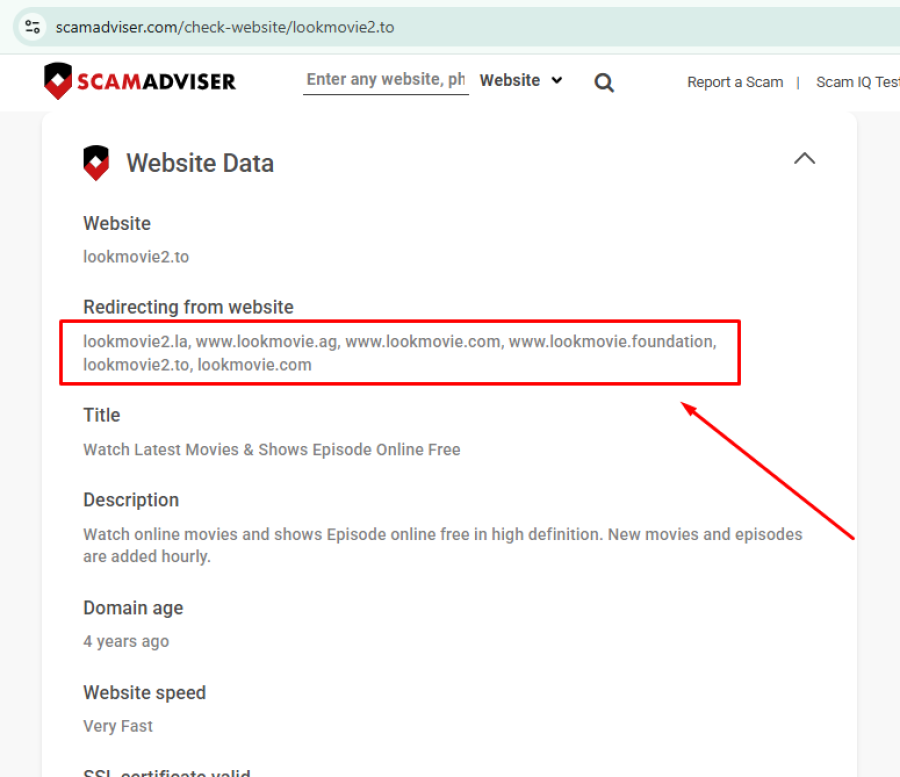
The branding remains consistent across www.lookmovie.com and www.lookmovie.foundation, using the same logos and layout to build "brand equity"—the commercial value derived from consumer perception. You start to trust the interface because it looks professional and familiar. Have you ever stopped to ask yourself if you have been using the "real" site all along, or just a convincing copy?
This network of similar names is a psychological trick designed to lower your guard. When a site looks exactly like the one you used yesterday, you are less likely to notice if the new domain is harvesting your data. The familiarity acts as a mask for the technical shifts happening behind the scenes.
Why So Many Versions?
You might wonder why a legitimate business would need five or six different web addresses. These are known as mirror sites—duplicate websites that host the same content but live on different servers. This is a primary tactic for platforms operating in the "grey market" of digital content.
Lookmovie2.to uses these mirrors to stay one step ahead of internet service providers and copyright authorities. If lookmovie.ag gets blocked in your country, the owners simply point you toward lookmovie2.la or another extension. It is a digital game of Whac-A-Mole that ensures the platform stays online regardless of legal pressure.
While this might seem convenient for your movie night, it creates a significant security gap. When a site constantly moves, it becomes impossible for security software to keep up with which domains are safe and which have been hijacked. You are essentially entering a neighborhood where the street signs change every hour.
Is Free Streaming Really Free?
The core question of this Lookmovie2.to review is how a site can offer thousands of movies for free without a catch. Operating a high-traffic video platform costs thousands of dollars in server bandwidth every month. If you are not paying for a subscription, you are the product being sold to advertisers or data brokers.
Most Lookmovie domains do not use traditional, safe advertising networks like Google or Mediavine. Instead, they rely on "rogue" ad networks that specialize in high-risk content. These networks often bypass your browser's security settings to track your movements across the web.
You may think you are just watching a movie, but the site may be running scripts—small pieces of code—in the background. These scripts can use your computer's processing power to mine cryptocurrency or gather information about your hardware. The "free" price tag often comes with a hidden cost to your privacy.
What Are the Risks?
The biggest threat on sites like Lookmovie2.to is not the movie itself, but the "fake play" buttons. You click what looks like a start button, and instead of the film, a new tab opens or a file begins downloading. This is a common delivery method for malware—short for malicious software—designed to damage or gain unauthorized access to your computer.
Aggressive pop-ups are another major concern on these platforms. These ads often use "scareware" tactics, claiming your computer is infected with 15 viruses to trick you into calling a fake support number. These psychological pressure phrases are designed to make you panic and click before you think.
Furthermore, Lookmovie sites often lack basic encryption or clear privacy policies. When you browse these domains, your internet service provider can see exactly what you are doing. Without a VPN—a virtual private network that hides your IP address—your streaming habits and location are visible to any third party watching the site's traffic.
Red Flags to Watch For
Identifying a risky streaming site is easier when you know the patterns of deception. Here is a quick recap of the warning signs you will find across the Lookmovie network:
- Frequent redirects that take you to a domain different from the one you typed.
- Multiple domain extensions like .to, .la, .ag, and .foundation for the same brand.
- Lack of "About Us" or contact information that identifies the site owners.
- Hidden "Download" buttons that appear only after you try to play a video.
Safer Alternatives For Watching Movies Online
If you want to avoid the risks highlighted in this Lookmovie2.to review, consider legitimate free-to-watch platforms. Sites like Tubi, Pluto TV, and Freevee are supported by major corporations and use verified ad networks. You may have to watch a few commercials, but you won't have to worry about your device being compromised by a hidden script.
Bottom Line: Should You Trust Lookmovie2.to?
While the site has been active since 2022-03-12, its reliance on a confusing network of mirrors and aggressive redirects makes it a high-risk destination. If you encounter suspicious behavior, you can report the domain to the FBI’s Internet Crime Complaint Center (IC3) or your national cyber reporting body.
If you have to play a game of digital hide-and-seek just to find a working link, the site is likely playing a much more dangerous game with your security.
This article has been written by a scam fighter volunteer. If you believe the article above contains inaccuracies or needs to include relevant information, please contact ScamAdviser.com using this form.
Adam Collins is a cybersecurity researcher at ScamAdviser who operates under a pseudonym for privacy and security. With over four years on the digital frontlines and 1,500+ days spent deconstructing thousands of fraud schemes, he specialises in translating complex threats into actionable advice. His mission: exposing red flags so you can navigate the web with confidence.
Report a Scam!

Have you fallen for a hoax, bought a fake product? Report the site and warn others!
Scam Categories
Help & Info
Top Safety Picks
Your Go-To Tools for Online SafetyDisclaimer: Some of the links here are affiliate links. If you click them and make a purchase, we may earn a commission at no extra cost to you.
- ScamAdviser App - iOS : Your personal scam detector, on the go! Check website safety, report scams, and get instant alerts. Available on iOS
- ScamAdviser App - Android : Your personal scam detector, on the go! Check website safety, report scams, and get instant alerts. Available on Android.
- NordVPN : NordVPN keeps your connection private and secure whether you are at home, traveling, or streaming from another country. It protects your data, blocks unwanted ads and trackers, and helps you access your paid subscriptions anywhere. Try it Today!
- Incogni : Incogni automatically removes your personal data from data brokers that trade in personal information online, helping reduce scam and identity theft risks without the hassle of manual opt-outs. Reclaim your privacy now!
Popular Stories
In a nutshell: A good VPN protects your privacy with strong encryption, a strict no-logs policy, and fast protocols like WireGuard. The best VPNs also offer wide server coverage, leak protection, and easy-to-use apps for all devices. For 2025, the top providers are NordVPN, ExpressVPN, Surfshark, Proton VPN, Private Internet Access, CyberGhost, and Mullvad—each excelling in speed, security, or value. In an age where every click is tracked, a Virtual Private Network (VPN) is no longer just a luxury—it's an essential tool for digital privacy and security. A VPN works by creating a secure, encrypted tunnel between your device and the internet, masking your real IP address and protecting your sensitive data from prying eyes. But with hundreds of providers out there, how do you sort the secure from the suspect? This guide breaks down the non-negotiable features of a quality VPN and highlights the 7 top-rated services for 2025. What to Look for in a Good VPN: The 4 Non-Negotiable Pillars 1. Ironclad Security Features Strong Encryption: AES-256, the gold standard. Secure Protocols: OpenVPN, WireGuard, NordLynx, Lightway. Avoid PPTP. Kill Switch: Ensures no accidental IP leaks. Leak Protection: Covers DNS, IPv6, and WebRTC. 2. Verified Privacy Practices No-Logs Policy: No activity or metadata tracking. Independent Audits: Verification by third parties. Safe Jurisdiction: Prefer countries outside the 5/9/14 Eyes alliances. 3. High-Speed Performance Fast Protocols: WireGuard and equivalents. Large Server Network: Less crowding, more reliable speeds. 4. Essential Usability Features Multi-Device Apps: Windows, Mac, iOS, Android, routers. Simultaneous Connections: One account, many devices. Unblocking Power: Netflix, Hulu, BBC
How to Protect Yourself and Your Family After a Data Breach When Your Data Falls Into the Wrong Hands Just received that terrifying notification? Or perhaps you've noticed suspicious activity in your accounts? Take a deep breath. A data breach, the unauthorized access or exposure of sensitive, protected, or confidential data, is a deeply unsettling event. It can plunge you into a world of worry, bringing risks from financial losses and identity theft to significant emotional distress and reputational damage. The numbers don't lie: according to a 2024 report, the number of data breach victim notices has grown by a staggering 211% year-over-year. This isn't just a distant threat; it's a stark reality many individuals face. This year alone, we've seen major organizations like Adidas and Qantas grapple with high-profile data breaches, affecting countless customers. This underscores a critical truth: nobody is untouchable. Subsequently, strategic action is the only way to minimize the risk and protect your future. This guide is your emergency action plan, designed to walk you through every crucial step—from confirming the breach to fortifying your digital life for the long term. Part 1: Confirming the Breach and Understanding the Damage The very first step is to answer the question definitively: Was my data compromised, and if so, how badly? Start with the basics: Check Official NotificationsReputable companies are legally obligated to inform you if your data was part of a breach. Look for official emails, letters, or public announcements. Check Verified Breach DatabasesPlatforms like HaveIBeenPwned help you see if