
Spot Extortion Text, Dating App Manipulation & Virus Pop-Up Scams
Author: Adam Collins
The internet and our phones have become the biggest hunting ground for scammers. Every week, new tricks appear—some shocking, some almost believable—but all designed to steal your money or personal information. Recently, I came across three scams that are making the rounds, and trust me, they are both dangerous and manipulative. Here’s what you need to know so you can spot them before it’s too late.
1. The Extortion Text Scam
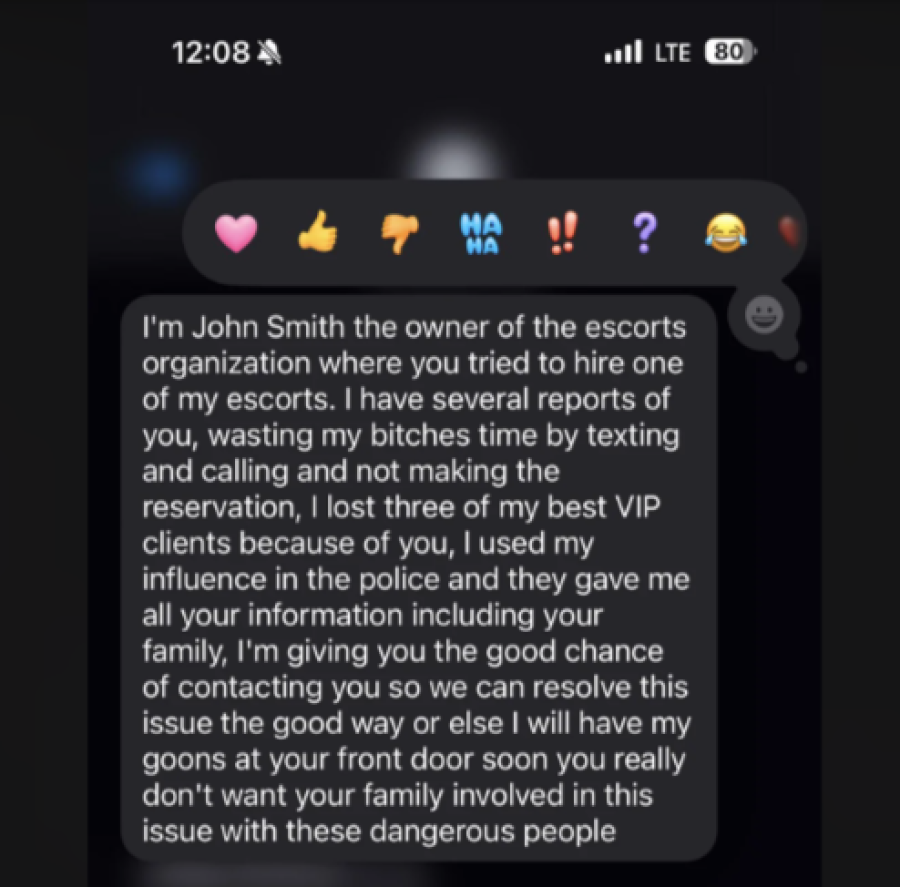
Imagine this: your phone buzzes, and the message on your screen makes your heart stop.
Source: Reddit
“I’m John Smith, the owner of an escorts organization... I know your family’s details, and if you don’t pay up, I’ll have my men at your door.”
Yes, this is an actual message that’s been circulating. It’s nothing but a scare tactic—a classic extortion scam.
Common signs include:
- Threats of violence or harm if you don’t respond.
- Claims they have “all your information.”
- A demand to “resolve things quickly.”
The truth? They don’t know you. They don’t have your information. Their goal is to make you panic so you’ll pay.
What to do if you get this kind of text:
- Don’t reply. Any response tells them your number is active.
- Don’t pay. Paying once only invites more threats.
- Block and report. Save the number and report it to your local authorities or cybercrime unit.
Fear is their weapon—but staying calm is your shield.
2. The Dating App Manipulation Scam
Dating apps can be great for meeting new people—but they’re also a goldmine for scammers.
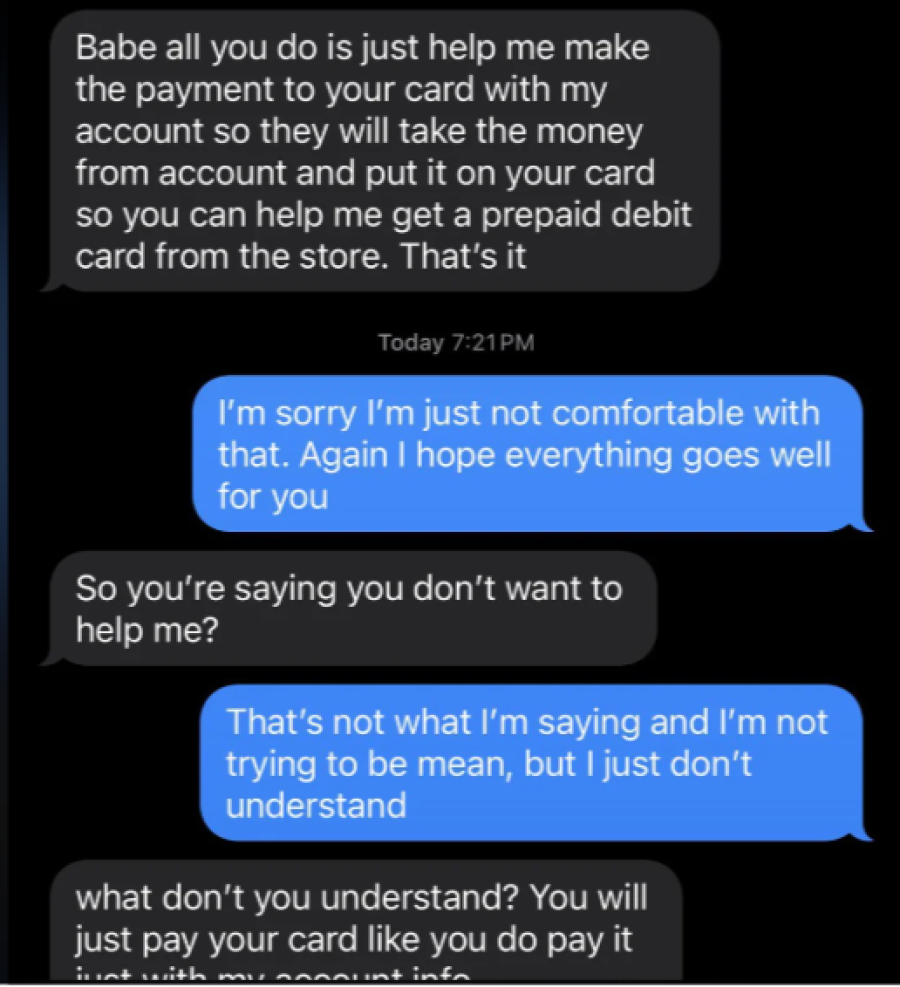
Take this scenario: you meet someone for coffee, things seem normal, but soon after, the messages turn strange. Suddenly, they can’t access their bank, they’re “stranded,” and they need you to help make a payment with their account info. When you refuse, they guilt-trip you—calling you “babe” one minute, then cold and hostile the next.
Source: Reddit
This is emotional manipulation at its peak.
Red flags to watch for:
- Sudden financial emergencies right after meeting.
- Requests for you to “just help” with banking or prepaid cards.
- Disappearing profiles once you question them.
Scammers on dating apps often use affection, urgency, and guilt to pressure victims into sending money or sharing sensitive information.
If someone’s affection feels rushed or conditional on money, step back. Real relationships aren’t built on threats or financial favors.
3. The “Samsung Virus” Pop-Up Scam
You’re browsing online, when suddenly your screen flashes a warning:
“Your Samsung device is infected with 3 viruses!”
Source: Reddit
Panic sets in, but here’s the reality: it’s fake.
Scammers design these pop-ups to trick you into:
- Downloading malicious “antivirus” apps.
- Granting remote access to your device.
- Calling a “support number” where fake technicians scare you into paying for useless services.
The real virus isn’t on your phone—it’s in the scammer’s lies.
What to do instead:
- Close the tab immediately.
- Never click the download links or call the number.
- Use trusted antivirus apps only from official app stores.
The Bottom Line: Be Careful
Scams prey on two things: fear and trust. Fear, like in the violent text scam. Trust, like in the dating app manipulation. And sometimes, both—like when fake pop-ups convince you your phone is broken.
The truth is, anyone can fall victim, no matter how smart or careful you are. Scammers are constantly evolving, and their tricks are designed to catch you off guard.
But you don’t have to fight them alone.
📱 Protect yourself today—download the ScamAdviser App.
It’s your pocket-sized scam checker for suspicious websites, phone numbers, IBANs, and even crypto wallets. One quick search can help you spot red flags before scammers spot you.
Stay alert, trust your instincts, and remember: when in doubt, check it out.
Report a Scam!

Have you fallen for a hoax, bought a fake product? Report the site and warn others!
Scam Categories
Help & Info
Top Safety Picks
Your Go-To Tools for Online SafetyDisclaimer: Some of the links here are affiliate links. If you click them and make a purchase, we may earn a commission at no extra cost to you.
- ScamAdviser App - iOS : Your personal scam detector, on the go! Check website safety, report scams, and get instant alerts. Available on iOS
- ScamAdviser App - Android : Your personal scam detector, on the go! Check website safety, report scams, and get instant alerts. Available on Android.
- NordVPN : NordVPN keeps your connection private and secure whether you are at home, traveling, or streaming from another country. It protects your data, blocks unwanted ads and trackers, and helps you access your paid subscriptions anywhere. Try it Today!
- Incogni : Incogni automatically removes your personal data from data brokers that trade in personal information online, helping reduce scam and identity theft risks without the hassle of manual opt-outs. Reclaim your privacy now!
Popular Stories
In a nutshell: A good VPN protects your privacy with strong encryption, a strict no-logs policy, and fast protocols like WireGuard. The best VPNs also offer wide server coverage, leak protection, and easy-to-use apps for all devices. For 2025, the top providers are NordVPN, ExpressVPN, Surfshark, Proton VPN, Private Internet Access, CyberGhost, and Mullvad—each excelling in speed, security, or value. In an age where every click is tracked, a Virtual Private Network (VPN) is no longer just a luxury—it's an essential tool for digital privacy and security. A VPN works by creating a secure, encrypted tunnel between your device and the internet, masking your real IP address and protecting your sensitive data from prying eyes. But with hundreds of providers out there, how do you sort the secure from the suspect? This guide breaks down the non-negotiable features of a quality VPN and highlights the 7 top-rated services for 2025. What to Look for in a Good VPN: The 4 Non-Negotiable Pillars 1. Ironclad Security Features Strong Encryption: AES-256, the gold standard. Secure Protocols: OpenVPN, WireGuard, NordLynx, Lightway. Avoid PPTP. Kill Switch: Ensures no accidental IP leaks. Leak Protection: Covers DNS, IPv6, and WebRTC. 2. Verified Privacy Practices No-Logs Policy: No activity or metadata tracking. Independent Audits: Verification by third parties. Safe Jurisdiction: Prefer countries outside the 5/9/14 Eyes alliances. 3. High-Speed Performance Fast Protocols: WireGuard and equivalents. Large Server Network: Less crowding, more reliable speeds. 4. Essential Usability Features Multi-Device Apps: Windows, Mac, iOS, Android, routers. Simultaneous Connections: One account, many devices. Unblocking Power: Netflix, Hulu, BBC
How to Protect Yourself and Your Family After a Data Breach When Your Data Falls Into the Wrong Hands Just received that terrifying notification? Or perhaps you've noticed suspicious activity in your accounts? Take a deep breath. A data breach, the unauthorized access or exposure of sensitive, protected, or confidential data, is a deeply unsettling event. It can plunge you into a world of worry, bringing risks from financial losses and identity theft to significant emotional distress and reputational damage. The numbers don't lie: according to a 2024 report, the number of data breach victim notices has grown by a staggering 211% year-over-year. This isn't just a distant threat; it's a stark reality many individuals face. This year alone, we've seen major organizations like Adidas and Qantas grapple with high-profile data breaches, affecting countless customers. This underscores a critical truth: nobody is untouchable. Subsequently, strategic action is the only way to minimize the risk and protect your future. This guide is your emergency action plan, designed to walk you through every crucial step—from confirming the breach to fortifying your digital life for the long term. Part 1: Confirming the Breach and Understanding the Damage The very first step is to answer the question definitively: Was my data compromised, and if so, how badly? Start with the basics: Check Official NotificationsReputable companies are legally obligated to inform you if your data was part of a breach. Look for official emails, letters, or public announcements. Check Verified Breach DatabasesPlatforms like HaveIBeenPwned help you see if