
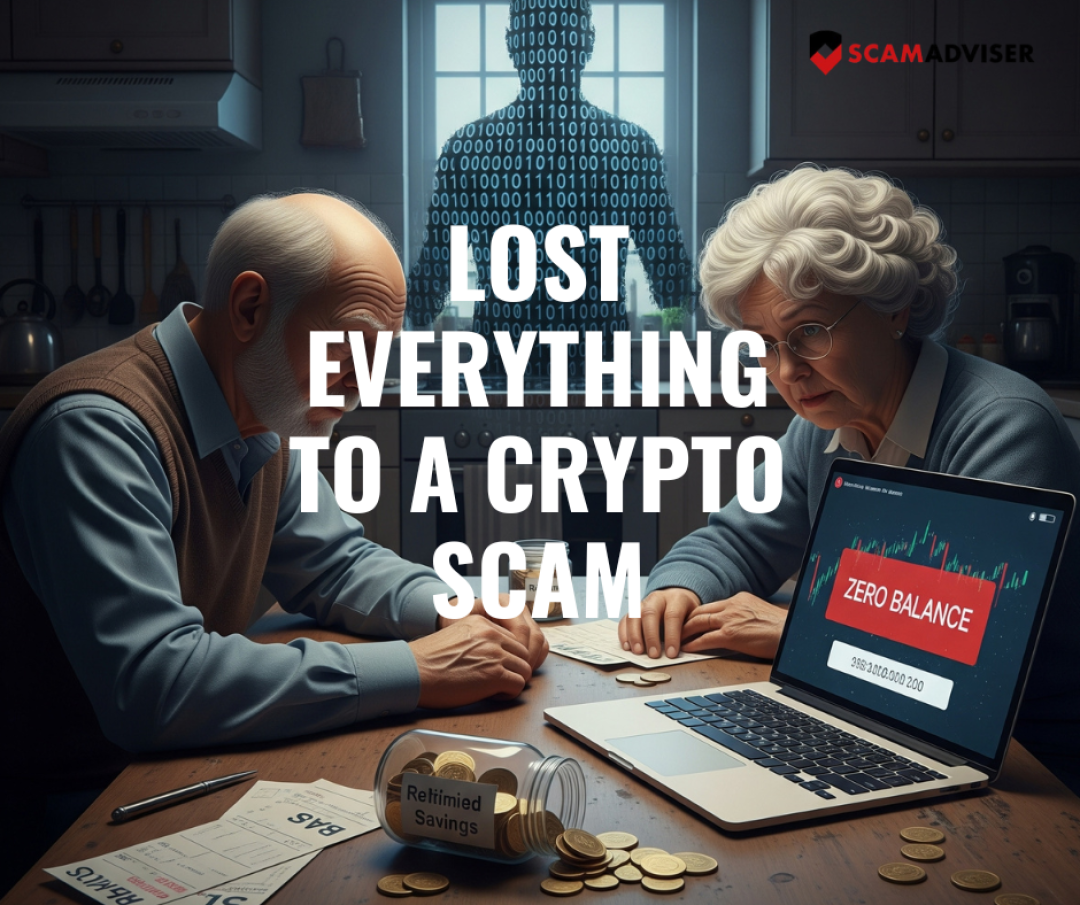
“We Were Retired. Now We’re Broke.” The $800,000 Crypto Scam That Destroyed a Georgia Couple’s Life
Author: Adam Collins
It didn’t start with greed. It started with trust.
Jerry and Mindy Dunaway weren’t chasing quick money. They were cautious, retired, and sensible—careful with their $800,000 nest egg built over a lifetime of hard work.
Then Jerry’s phone buzzed with a simple WhatsApp message:
“Hey, I can help you learn crypto trading.”
No urgency. No pressure. Just a friendly offer in a world where cryptocurrency investing feels like the future. Jerry was curious. Why not learn something new?
He didn’t know that tapping ‘reply’ was the first step toward losing everything.
The Crypto Scam You’ll Never See Coming
This wasn’t your usual Bitcoin scam or spam email promising riches overnight. It was the perfect con: an AI-powered crypto investment scam built by pros who prey on trust, not greed.
The stranger coached Jerry slowly, carefully. Small trades at first. Modest returns. Real cash withdrawals. Jerry gained confidence. It all seemed legit.
Except it wasn’t.
Behind the scenes, scammers used advanced AI tools to create a "ghost version" of a real crypto trading app—a custom-built fake site that only Jerry could see. The balances? Fake. The profits? Fake. The growth? Illusion.
For months, Jerry poured money into this trap. When he finally tried to cash out for real, the nightmare unfolded: $800,000 gone without a trace.
“I bought into it—hook, line, and sinker,” Jerry said, his voice breaking.

Even Real Apps Can Be Part of the Scam
Here’s the terrifying part: Jerry was using a real, legitimate crypto app—but what he saw on his screen wasn’t real. Gwinnett County police confirmed the hackers had layered a fake AI-generated interface over the real app, designed to deceive him alone.
“What I was seeing on CryptoWallet wasn’t even there,” Jerry said. “It was fake. All of it.”
This is the new face of cryptocurrency fraud—invisible, personalized, almost impossible to detect.
The Price of Trust: $800,000 Gone Forever
Today, Jerry and Mindy face retirement with nothing but shock and loss. Their children have started a GoFundMe. Their golden years are gone.
Still, they chose to share their painful story. Because you could be next.
“These people are very good at what they do,” Mindy warns. “They’ll use apps. AI. Crypto. Whatever it takes. Don’t trust anything you can’t verify yourself.”
Crypto Scams Are Changing—Fast. Are You Ready?
- AI-powered fraud is rising. Scammers now build fake trading platforms that feel 100% real.
- Crypto apps are being cloned or layered with fake interfaces. Even real platforms can’t protect you if you’re seeing a false version.
- Personal messaging is the new scam gateway. WhatsApp, Telegram, and even SMS are now favorite tools for scammers to build trust.
What You Can Learn from the Dunaways’ $800,000 Crypto Loss
✅ Never trust unsolicited investment advice—even if it sounds helpful and friendly.
✅ Independently verify crypto platforms before investing, no matter how real they seem.
✅ Be cautious of small ‘test’ withdrawals. Scammers use these to make you trust the system before the big steal.
✅ If it feels too smooth, stop and question. Real investments are rarely perfect.
One Chat. One App. One Life Savings—Gone.
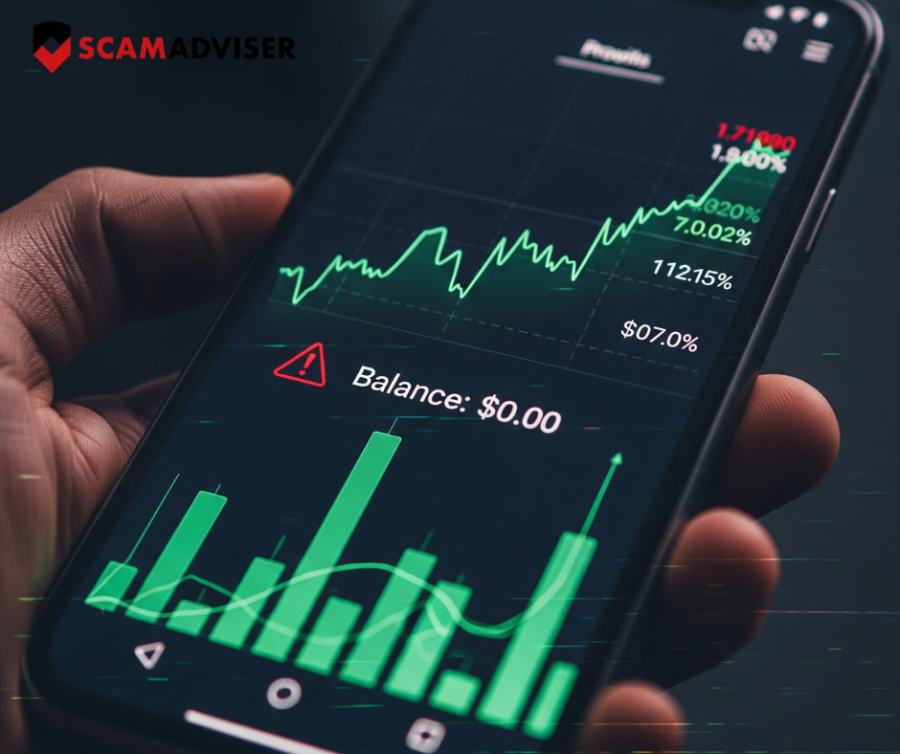
Jerry and Mindy are living proof: crypto scams in 2025 are not amateur hour. They are smart, convincing, AI-driven traps designed to fool anyone, even the careful ones.
“We have to pick up the pieces and move forward,” Jerry says. But the real warning is for us all:
If it can happen to them, it can happen to you.
Stay Safe from Crypto Scams:
✔️ Stick to regulated platforms.
✔️ Ignore unsolicited investment offers.
✔️ Double-check app authenticity.
✔️ Ask a trusted financial expert before investing.
Report a Scam!

Have you fallen for a hoax, bought a fake product? Report the site and warn others!
Scam Categories
Help & Info
Top Safety Picks
Your Go-To Tools for Online SafetyDisclaimer: Some of the links here are affiliate links. If you click them and make a purchase, we may earn a commission at no extra cost to you.
- ScamAdviser App - iOS : Your personal scam detector, on the go! Check website safety, report scams, and get instant alerts. Available on iOS
- ScamAdviser App - Android : Your personal scam detector, on the go! Check website safety, report scams, and get instant alerts. Available on Android.
- NordVPN : NordVPN keeps your connection private and secure whether you are at home, traveling, or streaming from another country. It protects your data, blocks unwanted ads and trackers, and helps you access your paid subscriptions anywhere. Try it Today!
- Incogni : Incogni automatically removes your personal data from data brokers that trade in personal information online, helping reduce scam and identity theft risks without the hassle of manual opt-outs. Reclaim your privacy now!
Popular Stories
In a nutshell: A good VPN protects your privacy with strong encryption, a strict no-logs policy, and fast protocols like WireGuard. The best VPNs also offer wide server coverage, leak protection, and easy-to-use apps for all devices. For 2025, the top providers are NordVPN, ExpressVPN, Surfshark, Proton VPN, Private Internet Access, CyberGhost, and Mullvad—each excelling in speed, security, or value. In an age where every click is tracked, a Virtual Private Network (VPN) is no longer just a luxury—it's an essential tool for digital privacy and security. A VPN works by creating a secure, encrypted tunnel between your device and the internet, masking your real IP address and protecting your sensitive data from prying eyes. But with hundreds of providers out there, how do you sort the secure from the suspect? This guide breaks down the non-negotiable features of a quality VPN and highlights the 7 top-rated services for 2025. What to Look for in a Good VPN: The 4 Non-Negotiable Pillars 1. Ironclad Security Features Strong Encryption: AES-256, the gold standard. Secure Protocols: OpenVPN, WireGuard, NordLynx, Lightway. Avoid PPTP. Kill Switch: Ensures no accidental IP leaks. Leak Protection: Covers DNS, IPv6, and WebRTC. 2. Verified Privacy Practices No-Logs Policy: No activity or metadata tracking. Independent Audits: Verification by third parties. Safe Jurisdiction: Prefer countries outside the 5/9/14 Eyes alliances. 3. High-Speed Performance Fast Protocols: WireGuard and equivalents. Large Server Network: Less crowding, more reliable speeds. 4. Essential Usability Features Multi-Device Apps: Windows, Mac, iOS, Android, routers. Simultaneous Connections: One account, many devices. Unblocking Power: Netflix, Hulu, BBC
How to Protect Yourself and Your Family After a Data Breach When Your Data Falls Into the Wrong Hands Just received that terrifying notification? Or perhaps you've noticed suspicious activity in your accounts? Take a deep breath. A data breach, the unauthorized access or exposure of sensitive, protected, or confidential data, is a deeply unsettling event. It can plunge you into a world of worry, bringing risks from financial losses and identity theft to significant emotional distress and reputational damage. The numbers don't lie: according to a 2024 report, the number of data breach victim notices has grown by a staggering 211% year-over-year. This isn't just a distant threat; it's a stark reality many individuals face. This year alone, we've seen major organizations like Adidas and Qantas grapple with high-profile data breaches, affecting countless customers. This underscores a critical truth: nobody is untouchable. Subsequently, strategic action is the only way to minimize the risk and protect your future. This guide is your emergency action plan, designed to walk you through every crucial step—from confirming the breach to fortifying your digital life for the long term. Part 1: Confirming the Breach and Understanding the Damage The very first step is to answer the question definitively: Was my data compromised, and if so, how badly? Start with the basics: Check Official NotificationsReputable companies are legally obligated to inform you if your data was part of a breach. Look for official emails, letters, or public announcements. Check Verified Breach DatabasesPlatforms like HaveIBeenPwned help you see if