
WhatsApp’s 3.5 Billion Data Exposure Leaves Millions of Americans Open to Scams
Author: Adam Collins
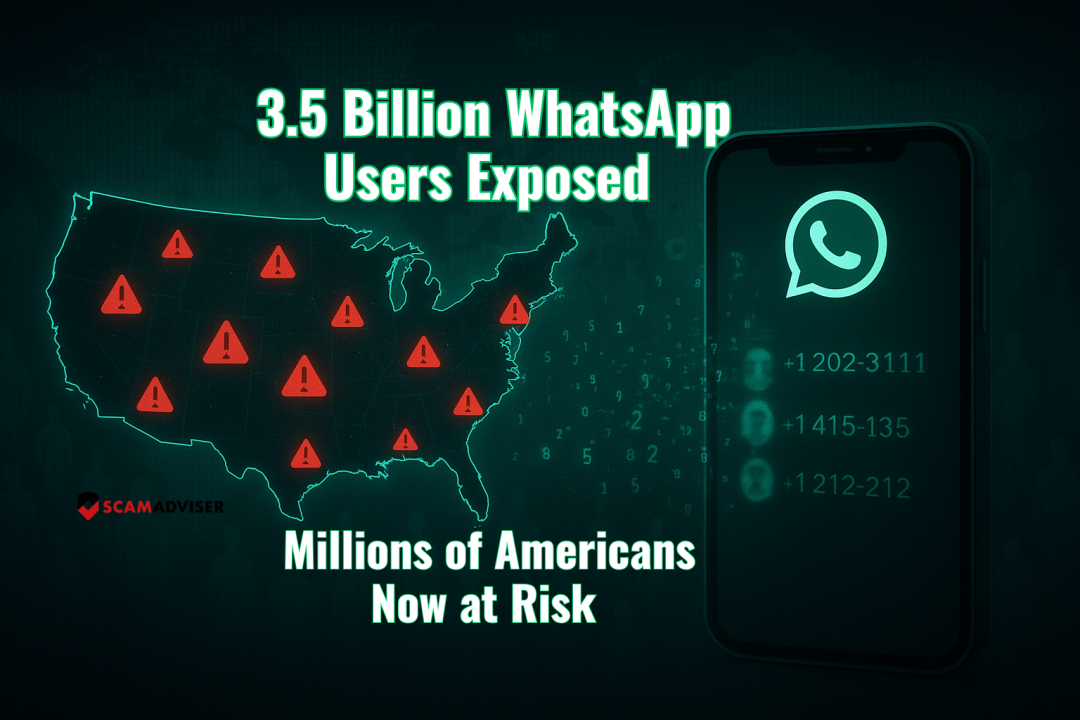
A new study from the University of Vienna confirmed something every US WhatsApp user hoped would never happen. Criminals can now identify which phone numbers are actively registered on WhatsApp and match them with public profile photos and About statuses. That’s 137 million confirmed US accounts suddenly mapped, labeled and ready for exploitation.
And when 44 percent of those accounts show a public profile photo and 33 percent show a public About text, the data becomes a goldmine for scammers. A valid number plus a face plus a hint of personal detail is all a criminal needs to launch sophisticated social engineering attacks.
Below is what this means for American users today.
In a Nutshell:
• 137 million US WhatsApp numbers were confirmed as active
• 44 percent showed public profile photos and 33 percent had public About texts
• This data fuels SIM swapping, impersonation scams, and targeted phishing
• It also enables political micro-targeting and surveillance
• US users should secure WhatsApp, lock SIM permissions, and hide public profile info
What Financial Risks Does This Leak Create?
SIM swapping is already a billion-dollar problem in the US. This new trove of confirmed phone numbers gives criminals a frightening head start.
A scammer only needs two things to impersonate you when calling AT&T, T Mobile, or Verizon. A working phone number and a convincing personal detail.
The leak provides both.
With a number confirmed as active on WhatsApp, plus a profile photo and a short About text revealing clues like a first name or city, criminals sound more credible to customer service agents. Once they convince a carrier to transfer your number to their SIM card, they control your calls and texts. That includes SMS based banking codes, crypto account 2FA, and password resets.
In minutes, attackers can drain accounts and lock victims out completely.
How Could This Lead to Impersonation Scams?
Because scammers don’t need to guess anymore. They already know your number is real.
By copying your profile picture and name and contacting your friends with “Hey it’s me, I changed numbers” messages, attackers can launch incredibly convincing WhatsApp impersonation scams.
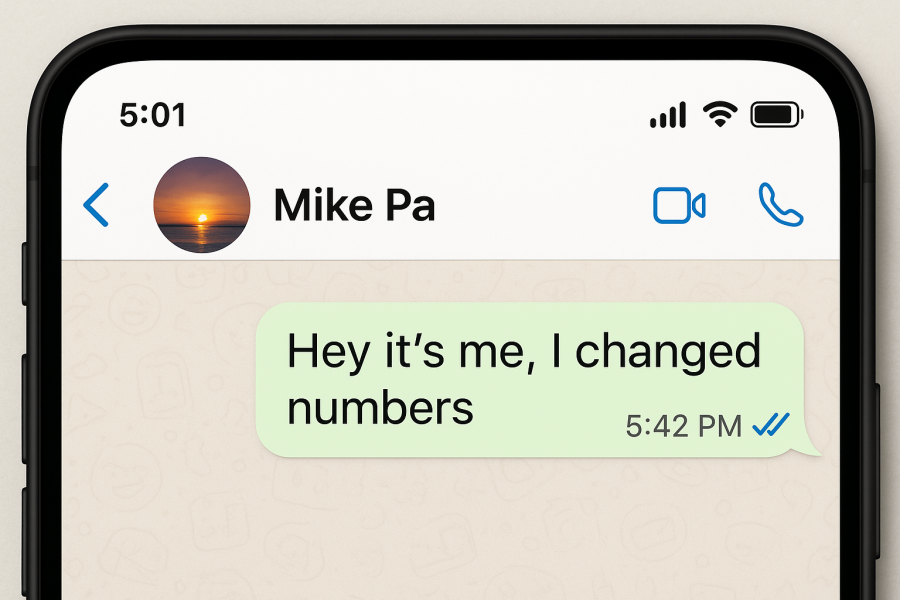
Example of a Scam Message
Requests for urgent help, quick money transfers, or “I need your verification code” become far more believable when they come from a familiar face.
And it gets worse. US phone numbers in this leak can be cross-matched with old breaches like the 2021 Facebook scraping incident. A scammer might combine your WhatsApp photo with your full name, email, or hometown, then shift channels and attack you through SMS or email with a highly personalized phishing attempt.
Does This Create Political or Surveillance Risks?
Unfortunately yes. In a US election year, confirmed active numbers become a powerful targeting tool.
Political groups or foreign actors can create segmented databases of millions of verified WhatsApp users. They can push tailored misinformation directly into private chats, especially in swing states. WhatsApp’s viral forwarding structure makes this extremely effective at scale.
Even agencies monitoring activists or journalists can use these confirmed numbers to identify if a specific person uses WhatsApp and even which operating system they use. Metadata is tiny but incredibly powerful.
What Should US Users Do Right Now?
The good news is you can close most of these vulnerabilities with a few changes.
Enable Two-Step Verification on WhatsApp
Open WhatsApp settings then Account then Two-step verification, and create a six digit PIN. This prevents anyone from registering your number elsewhere even after a SIM swap.
Lock Down Your Mobile Carrier Account
Call your carrier and add a Port Out PIN or high security password. This makes unauthorized SIM swaps significantly harder.
Hide Your Public Profile Details
Set your profile photo, About, and Last Seen to My Contacts or Nobody. You remove the social proof that criminals depend on.
Read our guide on how to recover your WhatsApp Account.
FAQs
How did attackers get the 137 million US phone numbers
Researchers used enumeration techniques to confirm which numbers were active on WhatsApp. They did not break encryption but mapped publicly visible metadata.
Does this mean WhatsApp messages are exposed?
No. Messages remain end-to-end encrypted. The risk comes from confirmed phone numbers and public profile data.
Is every US WhatsApp user affected?
Only numbers that were active and had publicly visible details. But the scale is huge enough to matter for everyone.
Can this lead to bank account theft?
Yes. SIM swapping enabled by confirmed numbers and personal details can give criminals access to SMS based banking codes.
Should I stop using WhatsApp?
Not necessary. But you should tighten privacy settings and turn on two-factor protection immediately.
How do I stay ahead of scams like this?
Install the ScamAdviser app for real-time alerts, scam checks, and practical protection tips tailored to trending threats.
Read the full report here

Report a Scam!

Have you fallen for a hoax, bought a fake product? Report the site and warn others!
Scam Categories
Help & Info
Top Safety Picks
Your Go-To Tools for Online SafetyDisclaimer: Some of the links here are affiliate links. If you click them and make a purchase, we may earn a commission at no extra cost to you.
- ScamAdviser App - iOS : Your personal scam detector, on the go! Check website safety, report scams, and get instant alerts. Available on iOS
- ScamAdviser App - Android : Your personal scam detector, on the go! Check website safety, report scams, and get instant alerts. Available on Android.
- NordVPN : NordVPN keeps your connection private and secure whether you are at home, traveling, or streaming from another country. It protects your data, blocks unwanted ads and trackers, and helps you access your paid subscriptions anywhere. Try it Today!
- Incogni : Incogni automatically removes your personal data from data brokers that trade in personal information online, helping reduce scam and identity theft risks without the hassle of manual opt-outs. Reclaim your privacy now!
Popular Stories
In a nutshell: A good VPN protects your privacy with strong encryption, a strict no-logs policy, and fast protocols like WireGuard. The best VPNs also offer wide server coverage, leak protection, and easy-to-use apps for all devices. For 2025, the top providers are NordVPN, ExpressVPN, Surfshark, Proton VPN, Private Internet Access, CyberGhost, and Mullvad—each excelling in speed, security, or value. In an age where every click is tracked, a Virtual Private Network (VPN) is no longer just a luxury—it's an essential tool for digital privacy and security. A VPN works by creating a secure, encrypted tunnel between your device and the internet, masking your real IP address and protecting your sensitive data from prying eyes. But with hundreds of providers out there, how do you sort the secure from the suspect? This guide breaks down the non-negotiable features of a quality VPN and highlights the 7 top-rated services for 2025. What to Look for in a Good VPN: The 4 Non-Negotiable Pillars 1. Ironclad Security Features Strong Encryption: AES-256, the gold standard. Secure Protocols: OpenVPN, WireGuard, NordLynx, Lightway. Avoid PPTP. Kill Switch: Ensures no accidental IP leaks. Leak Protection: Covers DNS, IPv6, and WebRTC. 2. Verified Privacy Practices No-Logs Policy: No activity or metadata tracking. Independent Audits: Verification by third parties. Safe Jurisdiction: Prefer countries outside the 5/9/14 Eyes alliances. 3. High-Speed Performance Fast Protocols: WireGuard and equivalents. Large Server Network: Less crowding, more reliable speeds. 4. Essential Usability Features Multi-Device Apps: Windows, Mac, iOS, Android, routers. Simultaneous Connections: One account, many devices. Unblocking Power: Netflix, Hulu, BBC
How to Protect Yourself and Your Family After a Data Breach When Your Data Falls Into the Wrong Hands Just received that terrifying notification? Or perhaps you've noticed suspicious activity in your accounts? Take a deep breath. A data breach, the unauthorized access or exposure of sensitive, protected, or confidential data, is a deeply unsettling event. It can plunge you into a world of worry, bringing risks from financial losses and identity theft to significant emotional distress and reputational damage. The numbers don't lie: according to a 2024 report, the number of data breach victim notices has grown by a staggering 211% year-over-year. This isn't just a distant threat; it's a stark reality many individuals face. This year alone, we've seen major organizations like Adidas and Qantas grapple with high-profile data breaches, affecting countless customers. This underscores a critical truth: nobody is untouchable. Subsequently, strategic action is the only way to minimize the risk and protect your future. This guide is your emergency action plan, designed to walk you through every crucial step—from confirming the breach to fortifying your digital life for the long term. Part 1: Confirming the Breach and Understanding the Damage The very first step is to answer the question definitively: Was my data compromised, and if so, how badly? Start with the basics: Check Official NotificationsReputable companies are legally obligated to inform you if your data was part of a breach. Look for official emails, letters, or public announcements. Check Verified Breach DatabasesPlatforms like HaveIBeenPwned help you see if