
Why That 'Influencer-Endorsed' Product May Have Been Scammed Into Existence
Author: Adam Collins
In a Nutshell
- Scammers exploit parasocial trust to sell unverified products through influencers.
- Fraudulent products like Vigorlong often use fake reviews and "FDA Approved" labels.
- Unregulated health products pose severe risks to your physical safety, not just your wallet.
- Always verify a brand's age and trust score on ScamAdviser before clicking "buy."
Consumers reported losing more than $12.5 billion to fraud in 2024, a staggering 25% increase over the previous year, according to the Federal Trade Commission (FTC). A significant portion of this damage happens right in your feed, where 70% of people contacted via social media reported financial losses totaling $1.9 billion in that same year.
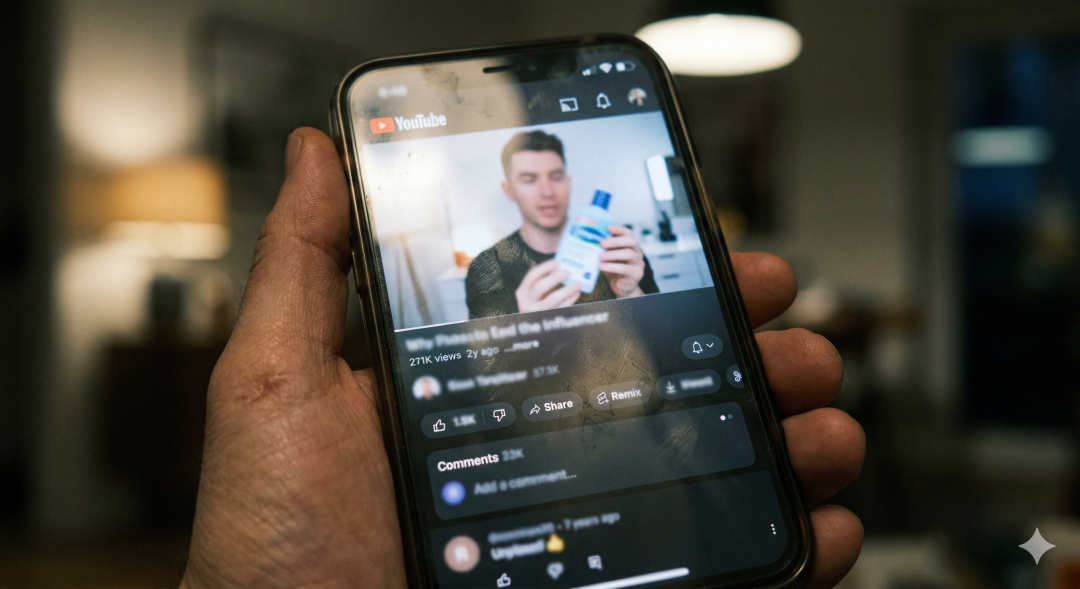
You see a "wellness guru" you have followed for months raving about a "miracle" supplement that solved their fatigue overnight. You trust them, you click the link, and you may have just walked directly into a trap designed to steal your data and your health.
The playbook: How scammers manufacture credibility
The core of this deception is "trust-jacking," where scammers exploit the parasocial relationship—the one-sided emotional bond you feel with a digital personality—to bypass your natural skepticism. These criminals do not just find influencers; they often manufacture them using bot followers, which are automated accounts used to artificially inflate a profile's popularity. When you see a creator with 500,000 followers and thousands of "this changed my life" comments, you are often looking at a digital mirage designed to trigger your Fear Of Missing Out (FOMO).
Many of these "recommendations" are paid posts without disclosure, a direct violation of regulatory rules that influencers frequently ignore. In 2023, the FTC issued warnings to dozens of influencers for failing to adequately disclose paid partnerships, particularly those promoting health-related items. Scammers rely on this influencer not disclosing paid partnership because a "genuine" recommendation feels more authentic than a "sponsored" ad. By the time the platform flags the post, the scammer has already processed thousands of orders and disappeared.
Furthermore, these brands use fake reviews online to seal the deal on their landing pages. They often use "scraping"—the process of stealing real photos and testimonials from legitimate brands—to populate their own sites. You believe you are reading a Vigorlong review from a real customer, but you are actually seeing a copy-pasted script used across dozens of different scam domains. These sites are "churn and burn" operations, designed to last just long enough to capture a wave of traffic before being shut down.
Case study: The red flags behind Vigorlong Suppliments
If you have spent any time on social media recently, you may have encountered Vigorlong, a product marketed as a breakthrough in male vitality. While the ads promise "clinically proven" results and "doctor approval," a closer look reveals a masterclass in modern scam tactics. The official website claims to have nearly 20,000 five-star reviews, yet a search across independent platforms like Trustpilot or Reddit reveals almost no organic user history—a massive red flag for any wellness product scam.
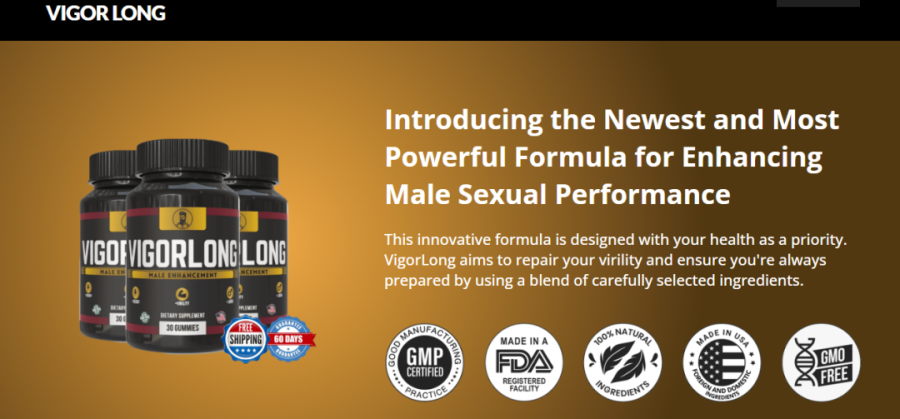
When investigating is Vigorlong legit, the timeline simply does not add up. The domain was registered as recently as February 2025, yet it claims a long history of satisfied customers and "years of research." Scammers use high-pressure "limited spots" countdown timers to prevent you from doing this basic math. If a product has 20,000 reviews but the website was born yesterday, the "social proof" is a total fabrication.
Perhaps the most dangerous red flag is the claim of being "FDA Approved." The FDA does not "approve" dietary supplements for safety or effectiveness before they are marketed; they only regulate them after they are on the shelf. Any brand using this specific phrasing is deliberately lying to gain your trust. When a product is bot followers influencer driven and makes false legal claims, it is a sign that the company is more interested in your credit card number than your actual well-being.
Why medical and wellness scams are a different breed of danger
The medical product risk is far higher than a typical clothing or gadget scam because you are ingesting the fraud. Many influencer scam products in the health niche make "miracle" claims without any regulatory backing or ingredient transparency. Since these products are manufactured in unregulated facilities, they often contain potentially harmful ingredients or "fillers" like sawdust, chalk, or even banned pharmaceutical substances. When you see a medical product no regulation label, you are essentially participating in an unmonitored chemical experiment.
Scammers love the wellness niche because they can use vague language like "detoxify," "rejuvenate," or "optimize" to avoid specific legal trouble. They hide behind the "as seen on" badges of major news outlets, but these are almost always faked or refer to a paid press release rather than an actual endorsement. In a wellness product scam, the influencer is often given a script that emphasizes the "natural" nature of the product. Remember: "natural" is not a legal term for "safe," and "ancient tribal secrets" are not a substitute for peer-reviewed clinical data.
How to Spot a Scam Product: 5 Practical Checks
Before you hit "checkout" on a fake endorsements deal, run through this checklist:
- Check the Domain Age: Use a Whois tool to see when the site was created. If it's less than six months old but claims thousands of reviews, it’s a scam.
- Verify the Trust Score: Run the link through the ScamAdviser app to see its real-time safety rating and hidden owner information.
- Hunt for Off-Platform Reviews: Search for "[Product Name] + scam" on Reddit, Quora, or Trustpilot. If the only reviews exist on the brand's own site, they aren't real.
- Audit the Influencer: Check for a bot followers influencer profile by looking at the engagement. Thousands of followers but only 10 likes per post is a sign of a purchased
- audience.
- Look for "FDA Approved" Lies: If a supplement brand claims to be "FDA Approved," they are lying. Supplements can only be "FDA Registered" or manufactured in an "FDA Inspected" facility.
How to protect yourself from fake health products
Learning how to spot fake health products starts with accepting that a high follower count is not a credential. When you encounter an influencer paid promotion, you must treat it with more scrutiny than a traditional TV commercial, not less. Legitimate brands will always provide a full list of ingredients, a physical business address, and clear links to the actual clinical studies—not just "stock photos" of people in lab coats. If the creator cannot answer specific questions about the product's manufacturing, they are likely just a mouthpiece for a wellness product scam.
The psychological trap of the "secret ritual" or "hidden hack" is what keeps these scams profitable. Scammers know that if they can make you feel like you've found a "short cut" that the mainstream medical community is hiding, you'll be more likely to ignore the red flags. To check if a product is real, always look for the "About Us" page. If the company history is vague, the photos are stock images, and the contact email is a generic Gmail address, you are looking at a scam manufactured for a quick profit.
Being skeptical is not being paranoid; it is being a prepared consumer in an era where trust is the primary currency for criminals. If an influencer's "life-changing" discovery seems too good to be true, it almost certainly is. Protect your health and your bank account by doing five minutes of research before you let a stranger in your phone influence your real-world decisions.
Before you buy, check it on ScamAdviser. Download the app for a real-time trust score on any product link.
Your trust is a scammer’s most valuable asset; do not give it away for free.
Adam Collins is a cybersecurity researcher at ScamAdviser who operates under a pseudonym for privacy and security. With over four years on the digital frontlines and 1,500+ days spent deconstructing thousands of fraud schemes, he specializes in translating complex threats into actionable advice. Adam’s mission is simple: exposing red flags so you can navigate the web with confidence.

Report a Scam!

Have you fallen for a hoax, bought a fake product? Report the site and warn others!
Scam Categories
Help & Info
Top Safety Picks
Your Go-To Tools for Online SafetyDisclaimer: Some of the links here are affiliate links. If you click them and make a purchase, we may earn a commission at no extra cost to you.
- ScamAdviser App - iOS : Your personal scam detector, on the go! Check website safety, report scams, and get instant alerts. Available on iOS
- ScamAdviser App - Android : Your personal scam detector, on the go! Check website safety, report scams, and get instant alerts. Available on Android.
- NordVPN : NordVPN keeps your connection private and secure whether you are at home, traveling, or streaming from another country. It protects your data, blocks unwanted ads and trackers, and helps you access your paid subscriptions anywhere. Try it Today!
- Incogni : Incogni automatically removes your personal data from data brokers that trade in personal information online, helping reduce scam and identity theft risks without the hassle of manual opt-outs. Reclaim your privacy now!
Popular Stories
In a nutshell: A good VPN protects your privacy with strong encryption, a strict no-logs policy, and fast protocols like WireGuard. The best VPNs also offer wide server coverage, leak protection, and easy-to-use apps for all devices. For 2025, the top providers are NordVPN, ExpressVPN, Surfshark, Proton VPN, Private Internet Access, CyberGhost, and Mullvad—each excelling in speed, security, or value. In an age where every click is tracked, a Virtual Private Network (VPN) is no longer just a luxury—it's an essential tool for digital privacy and security. A VPN works by creating a secure, encrypted tunnel between your device and the internet, masking your real IP address and protecting your sensitive data from prying eyes. But with hundreds of providers out there, how do you sort the secure from the suspect? This guide breaks down the non-negotiable features of a quality VPN and highlights the 7 top-rated services for 2025. What to Look for in a Good VPN: The 4 Non-Negotiable Pillars 1. Ironclad Security Features Strong Encryption: AES-256, the gold standard. Secure Protocols: OpenVPN, WireGuard, NordLynx, Lightway. Avoid PPTP. Kill Switch: Ensures no accidental IP leaks. Leak Protection: Covers DNS, IPv6, and WebRTC. 2. Verified Privacy Practices No-Logs Policy: No activity or metadata tracking. Independent Audits: Verification by third parties. Safe Jurisdiction: Prefer countries outside the 5/9/14 Eyes alliances. 3. High-Speed Performance Fast Protocols: WireGuard and equivalents. Large Server Network: Less crowding, more reliable speeds. 4. Essential Usability Features Multi-Device Apps: Windows, Mac, iOS, Android, routers. Simultaneous Connections: One account, many devices. Unblocking Power: Netflix, Hulu, BBC
How to Protect Yourself and Your Family After a Data Breach When Your Data Falls Into the Wrong Hands Just received that terrifying notification? Or perhaps you've noticed suspicious activity in your accounts? Take a deep breath. A data breach, the unauthorized access or exposure of sensitive, protected, or confidential data, is a deeply unsettling event. It can plunge you into a world of worry, bringing risks from financial losses and identity theft to significant emotional distress and reputational damage. The numbers don't lie: according to a 2024 report, the number of data breach victim notices has grown by a staggering 211% year-over-year. This isn't just a distant threat; it's a stark reality many individuals face. This year alone, we've seen major organizations like Adidas and Qantas grapple with high-profile data breaches, affecting countless customers. This underscores a critical truth: nobody is untouchable. Subsequently, strategic action is the only way to minimize the risk and protect your future. This guide is your emergency action plan, designed to walk you through every crucial step—from confirming the breach to fortifying your digital life for the long term. Part 1: Confirming the Breach and Understanding the Damage The very first step is to answer the question definitively: Was my data compromised, and if so, how badly? Start with the basics: Check Official NotificationsReputable companies are legally obligated to inform you if your data was part of a breach. Look for official emails, letters, or public announcements. Check Verified Breach DatabasesPlatforms like HaveIBeenPwned help you see if