
LipoLess Review: Does This Weight Loss Pill Really Work or Just Shrink Your Wallet?
Author: Adam Collins
In a Nutshell
- Big weight-loss promises but limited verifiable proof
- Many independent reviews report no results
- Refund complaints appear frequently
- Website testimonials cannot be independently verified
- Urgency tactics push quick purchases
- Ads may exaggerate results according to buyers
LipoLess Review — Is LipoLess legit, or just another supplement riding the weight-loss hype wave? That’s the question many buyers are asking after trying a product that promises faster fat burning, appetite control, and improved metabolic health.
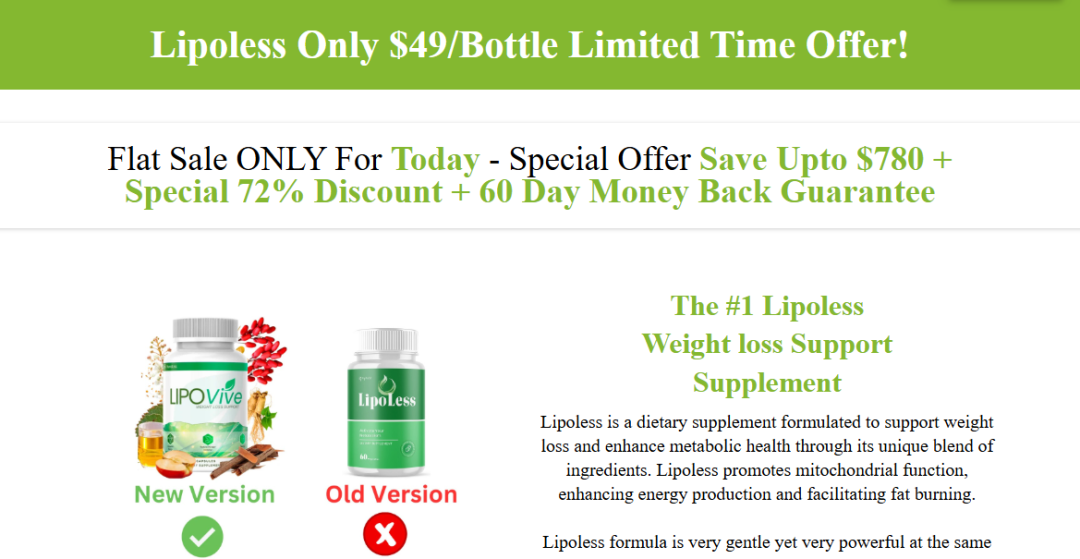
The company claims “Lipoless is a dietary supplement formulated to support weight loss and enhance metabolic health through its unique blend of ingredients.” Sounds promising. But when you look beyond marketing claims and into real customer experiences, the story becomes far more complicated.
Let’s break it down ScamAdviser-style: simple, honest, and based on what users are actually saying.
What Lipoless Promises
Like many supplements in the crowded weight-loss market, Lipoless positions itself as an easy solution. No extreme dieting. No exhausting workouts. Just capsules that supposedly help your body burn fat faster.
According to promotional material, Lipoless claims to:
- Support weight loss
- Reduce appetite
- Improve metabolism
- Deliver noticeable results within weeks
These are bold claims — and bold claims require strong proof. That’s where concerns begin.
Negative Customer Reviews Are Hard to Ignore
A major red flag comes from the volume and tone of independent customer feedback. Across multiple review platforms, like Trustpilot, many buyers report disappointment rather than results.
One customer shared:
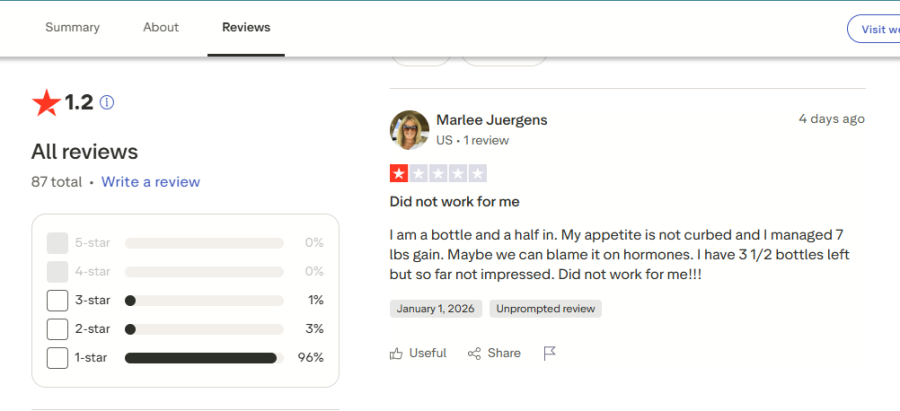
“I am a bottle and a half in. My appetite is not curbed and I managed 7 lbs gain… Did not work for me!!!”
Another frustrated buyer wrote:
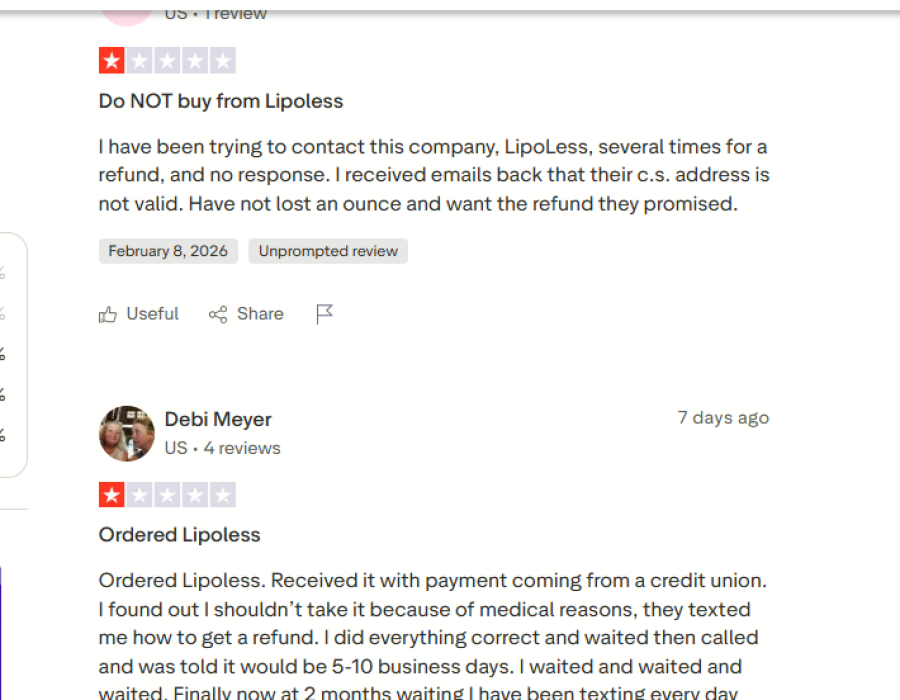
“Do NOT buy from Lipoless… I have been trying to contact this company several times for a refund, and no response… Have not lost an ounce and want the refund they promised.”
These reviews highlight two recurring complaints: lack of effectiveness and difficulty getting refunds.
While supplements can affect people differently, consistent negative experiences from many customers raise legitimate concerns.
Positive Reviews on the Website Raise Questions
Interestingly, the official Lipoless website displays many glowing testimonials. The problem? There’s no clear way to verify whether these reviews come from real, independent buyers.
When only positive feedback appears on a seller’s own website — while external platforms show very different experiences — consumers should pause and investigate further.
Verified third-party reviews generally provide a more balanced picture.
High-Pressure Sales Tactics
Another warning sign is urgency-based marketing.
The website pushes statements such as:
“This Special Offer Is NOT Guaranteed To Last Beyond Today.”
This type of countdown messaging is commonly used to create fear of missing out and encourage impulse purchases before customers have time to research reviews.
Legitimate health products rarely need extreme pressure to convince buyers.
Are the Ads Misleading?
Many buyers say they purchased Lipoless after seeing dramatic online advertisements promising rapid weight loss.
One detailed review explained:
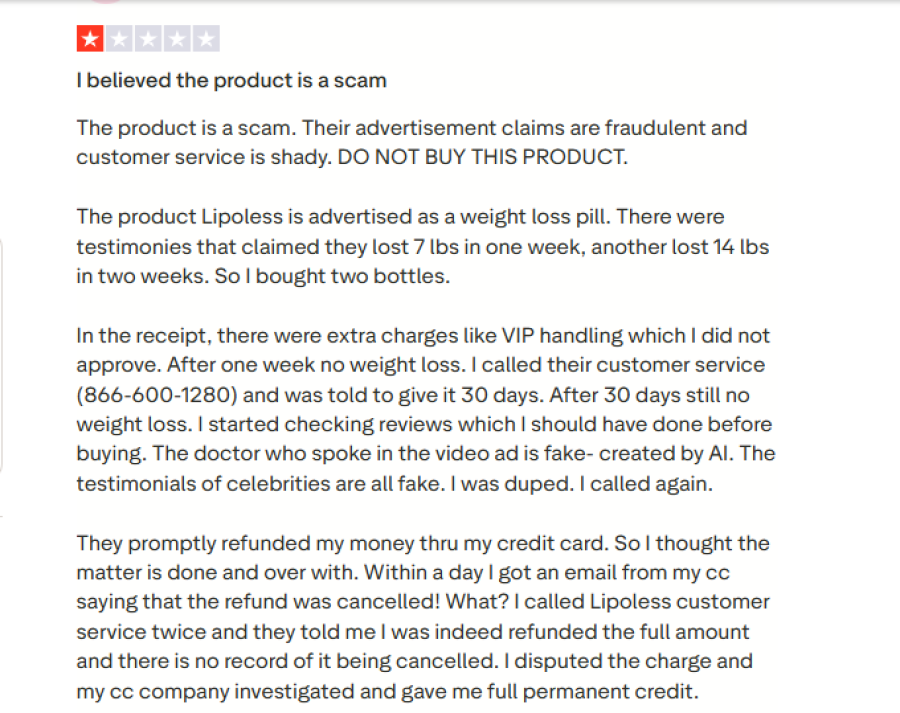
The ads claimed people lost 7 lbs in one week and 14 lbs in two weeks. After buying, extra charges appeared on the receipt, including VIP handling fees. After 30 days, there was still no weight loss. The reviewer later believed the doctor in the ad was AI-generated and celebrity testimonials were fake.
If true, this raises serious concerns about advertising transparency.
When marketing relies heavily on exaggerated transformations or unrealistic timelines, expectations can quickly clash with reality.
Why Weight Loss Pills Often Disappoint
Weight loss supplements are popular because they promise an easier path. But scientifically, sustainable weight loss usually depends on a combination of nutrition, activity, sleep, and long-term habits.
Many supplements fall into a gray area:
- They are sold as dietary supplements, not medicines.
- They don’t require the same level of clinical proof as prescription drugs.
- Results vary widely from person to person.
That doesn’t automatically make every supplement ineffective — but it means consumers should be cautious about miracle-style claims. We have reviewed several in the past, like Burnslim.
The Truth About Ingredients and Transparency
One common concern buyers raise when asking “Does Lipoless work to lose weight?” is ingredient clarity.
While the brand mentions a “unique blend,” the publicly accessible materials do not clearly present scientific evidence supporting dramatic results. Without transparent clinical data, it becomes difficult to verify effectiveness claims.
Transparency matters, especially for products affecting health and finances.
Bottom Line: Is Lipoless Legitimate?
- Lipoless appears to be a real product, but its effectiveness is widely disputed
- Numerous negative customer reviews raise reliability concerns
- Marketing claims may set unrealistic expectations
- Buyers should research carefully before purchasing
- Consider consulting a healthcare professional before using weight-loss supplements
Lipoless is likely risky. Based on customer experiences and marketing practices, consumers should approach with caution and avoid impulse buying.
FAQs
Does Lipoless work to lose weight?
Some users report no noticeable results even after several weeks. Weight-loss outcomes appear inconsistent, and there is limited independent evidence proving strong effectiveness.
What is Lipoless made of?
Lipoless is marketed as a dietary supplement containing a proprietary blend intended to support metabolism and appetite control, though detailed scientific validation is not clearly presented publicly.
How much does LipoLess cost?
Pricing varies depending on promotions and bundle offers. Some buyers report unexpected additional charges such as handling or upgrade fees during checkout, so reviewing the final order summary carefully is important.
Does Lipozene help with weight loss?
Products like Lipozene are also marketed as weight-loss aids, but results vary widely between individuals. As with any supplement, effectiveness depends on lifestyle factors and realistic expectations.
This article has been written by a scam fighter volunteer. If you believe the article above contains inaccuracies or needs to include relevant information, please contact ScamAdviser.com using this form.
Report a Scam!

Have you fallen for a hoax, bought a fake product? Report the site and warn others!
Scam Categories
Help & Info
Top Safety Picks
Your Go-To Tools for Online SafetyDisclaimer: Some of the links here are affiliate links. If you click them and make a purchase, we may earn a commission at no extra cost to you.
- ScamAdviser App - iOS : Your personal scam detector, on the go! Check website safety, report scams, and get instant alerts. Available on iOS
- ScamAdviser App - Android : Your personal scam detector, on the go! Check website safety, report scams, and get instant alerts. Available on Android.
- NordVPN : NordVPN keeps your connection private and secure whether you are at home, traveling, or streaming from another country. It protects your data, blocks unwanted ads and trackers, and helps you access your paid subscriptions anywhere. Try it Today!
- Incogni : Incogni automatically removes your personal data from data brokers that trade in personal information online, helping reduce scam and identity theft risks without the hassle of manual opt-outs. Reclaim your privacy now!
Popular Stories
In a nutshell: A good VPN protects your privacy with strong encryption, a strict no-logs policy, and fast protocols like WireGuard. The best VPNs also offer wide server coverage, leak protection, and easy-to-use apps for all devices. For 2025, the top providers are NordVPN, ExpressVPN, Surfshark, Proton VPN, Private Internet Access, CyberGhost, and Mullvad—each excelling in speed, security, or value. In an age where every click is tracked, a Virtual Private Network (VPN) is no longer just a luxury—it's an essential tool for digital privacy and security. A VPN works by creating a secure, encrypted tunnel between your device and the internet, masking your real IP address and protecting your sensitive data from prying eyes. But with hundreds of providers out there, how do you sort the secure from the suspect? This guide breaks down the non-negotiable features of a quality VPN and highlights the 7 top-rated services for 2025. What to Look for in a Good VPN: The 4 Non-Negotiable Pillars 1. Ironclad Security Features Strong Encryption: AES-256, the gold standard. Secure Protocols: OpenVPN, WireGuard, NordLynx, Lightway. Avoid PPTP. Kill Switch: Ensures no accidental IP leaks. Leak Protection: Covers DNS, IPv6, and WebRTC. 2. Verified Privacy Practices No-Logs Policy: No activity or metadata tracking. Independent Audits: Verification by third parties. Safe Jurisdiction: Prefer countries outside the 5/9/14 Eyes alliances. 3. High-Speed Performance Fast Protocols: WireGuard and equivalents. Large Server Network: Less crowding, more reliable speeds. 4. Essential Usability Features Multi-Device Apps: Windows, Mac, iOS, Android, routers. Simultaneous Connections: One account, many devices. Unblocking Power: Netflix, Hulu, BBC
How to Protect Yourself and Your Family After a Data Breach When Your Data Falls Into the Wrong Hands Just received that terrifying notification? Or perhaps you've noticed suspicious activity in your accounts? Take a deep breath. A data breach, the unauthorized access or exposure of sensitive, protected, or confidential data, is a deeply unsettling event. It can plunge you into a world of worry, bringing risks from financial losses and identity theft to significant emotional distress and reputational damage. The numbers don't lie: according to a 2024 report, the number of data breach victim notices has grown by a staggering 211% year-over-year. This isn't just a distant threat; it's a stark reality many individuals face. This year alone, we've seen major organizations like Adidas and Qantas grapple with high-profile data breaches, affecting countless customers. This underscores a critical truth: nobody is untouchable. Subsequently, strategic action is the only way to minimize the risk and protect your future. This guide is your emergency action plan, designed to walk you through every crucial step—from confirming the breach to fortifying your digital life for the long term. Part 1: Confirming the Breach and Understanding the Damage The very first step is to answer the question definitively: Was my data compromised, and if so, how badly? Start with the basics: Check Official NotificationsReputable companies are legally obligated to inform you if your data was part of a breach. Look for official emails, letters, or public announcements. Check Verified Breach DatabasesPlatforms like HaveIBeenPwned help you see if