
15 Legit Online Job Sites to Find Real Jobs (and Avoid Scams)

Author: Adam Collins
In today’s digital-first world, over 70% of job searches begin online. Online job platforms have completely transformed how employers find talent and how job seekers explore opportunities.
For job seekers, these websites offer unparalleled access to thousands of listings, often tailored to their experience, location, or industry. Filters, alerts, and resume-building tools make the job hunt more efficient. Many sites even offer diversity hiring features, such as filters for inclusive employers or specialized boards that cater to underrepresented communities. For instance, LinkedIn offers a 'Diversity in Hiring' filter to help highlight companies committed to inclusive practices. These efforts are essential to leveling the playing field in today’s job market.
For employers, career websites are far more cost-effective than traditional recruiting methods. According to SHRM, it can cost $4,700 to fill a role, but the online listings are cheaper than traditional recruiting channels while offering a significantly larger applicant pool. Many platforms also feature applicant tracking integrations and employer branding tools that help businesses attract the right talent.
Top 15 Trustworthy Job Search Websites
Below are 15 of the most legitimate online job boards you can trust. We’ve included specific features, pros and cons, and who they’re best suited for.
1. Indeed
- Pros: Massive database; company pages with reviews; customizable alerts; free resume hosting
- Cons: High volume can mean duplicate listings or spammy job ads
- Best for: General job seekers at all levels
2. LinkedIn
- Pros: Combines networking with job search; lets you see who works at a company; real-time application updates
- Cons: Some features locked behind Premium; occasional spam messages
- Best for: Professional, white-collar roles
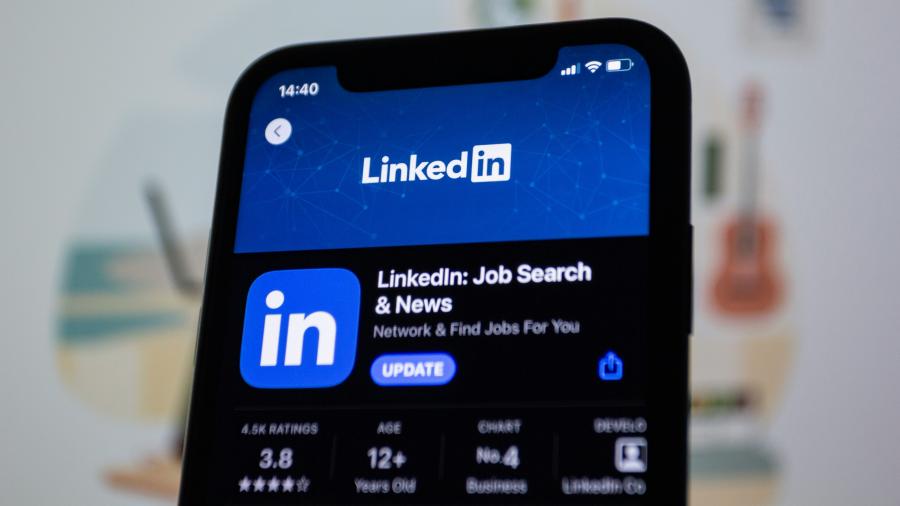
Image source: Unsplash.com
3. Glassdoor Jobs
- Pros: Anonymous employee reviews; salary transparency; detailed interview insights
- Cons: Smaller job selection than Indeed or LinkedIn
- Best for: Informed job seekers who value company culture
4. Google for Jobs
- Pros: Aggregates listings from multiple sources; great for initial search
- Cons: Some listings link to outdated or shady third-party sites
- Best for: Casting a wide net across the job market
5. ZipRecruiter
- Pros: Smart matching technology; user-friendly interface; instant apply feature
- Cons: Frequent emails; some roles may be outdated
- Best for: Fast, broad job searches
6. Monster
- Pros: Career resources; resume tips; personalized job recommendations
- Cons: Smaller database; older interface
- Best for: Mid-career professionals
7. SimplyHired
- Pros: Clean interface; aggregates listings from other sites; salary estimator
- Cons: Often redirects to third-party listings
- Best for: Entry-level and hourly positions
8. AngelList (Wellfound)
- Pros: Startup-friendly; direct communication with founders; often includes equity info
- Cons: Riskier startups; requires understanding of startup culture
- Best for: Tech-savvy, entrepreneurial job seekers
9. CareerBuilder
- Pros: Resume-building tools; job alerts; large U.S. job database
- Cons: Dated design; fewer listings in niche industries
- Best for: U.S.-based applicants
10. The Ladders
- Pros: Curated high-paying roles; useful for executives and senior managers
- Cons: Paywall for full access; fewer listings
- Best for: $100K+ roles
11. Job.com
Pros: AI-driven job matching; blockchain tech for transparency
Cons: Still gaining traction; smaller job pool
Best for: Early adopters of job tech
12. LinkUp
- Pros: Verified listings directly from company sites; low scam risk
- Cons: No user accounts; limited filtering
- Best for: Scam-conscious job seekers
13. Dice
- Pros: Tech-specific listings; skill-based filtering; salary tools
- Cons: Tech-only; less useful for non-technical roles
- Best for: IT and tech professionals
14. Neuvoo (Talent.com)
- Pros: Global listings; tax calculators; job alerts
- Cons: Aggregator model means occasional duplicate postings
- Best for: International job seekers
15. College Recruiter
- Pros: Entry-level and internship focus; career resources
- Cons: Limited listings for experienced professionals
- Best for: Students and new grads
Niche Job Boards Worth Exploring
Beyond the big names, niche job platforms offer tailored listings that might be a better fit for your goals.
- We Work Remotely: Fully remote jobs in tech, design, and marketing
- FlexJobs: Curated flexible and remote roles across industries (requires subscription)
- HBCU Connect: Jobs for graduates of Historically Black Colleges and Universities in diverse industries
- Idealist.org: Listings in nonprofit, social impact, and humanitarian sectors
- Lawjobs.com: Legal-specific opportunities for attorneys, paralegals, and legal support staff
- TechCareers: IT, software engineering, cybersecurity, and tech sales roles
- Mediabistro: Jobs in publishing, journalism, PR, and digital media
- WorkInTech: Startup and tech roles in Europe, from developers to product managers

Source: Unsplash
Tips to Identify and Avoid Online Job Scams
Scammers are clever, but with a few precautions, you can stay safe:
- Check the company website and cross-reference job listings
- Avoid upfront fees such as training materials, background checks, or equipment charges
- Never share sensitive info like your social security number, banking details, or passport up front
- Use official communication channels (e.g., platform messaging before switching to email)
- Verify URLs to ensure you're on a legitimate site. If something is off, even if you think it's a typo, avoid
- Watch for poor grammar and spelling, which can signal a scam
- Use reverse image search to check if recruiter photos or company logos are fake
- Trust your gut if something feels off
Beyond Job Boards: Other Effective Job Search Strategies
Looking in the right places can make all the difference:
- Professional Networking Events: Join local meetups, LinkedIn Live events, and alumni mixers. Prepare a 30-second pitch, bring business cards, and always follow up with a thank-you message or LinkedIn invite.
- Industry-Specific Associations: Search for national or regional associations in your field. For example, the National Society of Professional Engineers (NSPE) lists engineering jobs and hosts webinars.
- Company Career Pages: Visit the careers section on the websites of companies you admire. These often have listings not posted anywhere else.
- Recruiters & Staffing Firms: Partner with reputable agencies that specialize in your field. Check for reviews, confirm they don’t charge candidates, verify their presence on LinkedIn, and make sure they have a strong track record in your industry.
Frequently Asked Questions (FAQ)
1. Are online job boards safe?
Most major career websites are safe, but always watch out for fake listings, especially on lesser-known platforms. Use the scam-identifying tips listed above.
2. Should I pay to apply for a job?
No. Legitimate roles never require upfront fees for applications, training, or equipment.
3. Can I get scammed on LinkedIn or Indeed?
Yes, though rare. Stick to verified company pages and report suspicious listings.
4. What’s the best site for remote jobs?
FlexJobs and We Work Remotely are two strong options, though many general job websites now include remote filters.
5. How often should I check job platforms?
Daily, if you’re actively searching. Set up alerts to save time.
6. Do I need a cover letter for online applications?
While not always required, a tailored cover letter can help you stand out—especially for roles that value communication.
7. How do I optimize my resume for ATS (Applicant Tracking Systems)?
Use keywords from the job description, stick to clean formatting, and avoid tables or graphics. Submit as a Word doc or plain PDF.
Bottom Line: Ready to Land Your Next Job?
Stay ahead of the scams and on top of new opportunities. Sign up for our newsletter for job search tips, legit platform recommendations, and the latest hiring trends—delivered straight to your inbox.
Or better yet, visit one of the 15 legit job websites listed above and start your search today.
Report a Scam!

Have you fallen for a hoax, bought a fake product? Report the site and warn others!
Scam Categories
Help & Info
Top Safety Picks
Your Go-To Tools for Online SafetyDisclaimer: Some of the links here are affiliate links. If you click them and make a purchase, we may earn a commission at no extra cost to you.
- ScamAdviser App - iOS : Your personal scam detector, on the go! Check website safety, report scams, and get instant alerts. Available on iOS
- ScamAdviser App - Android : Your personal scam detector, on the go! Check website safety, report scams, and get instant alerts. Available on Android.
- NordVPN : NordVPN keeps your connection private and secure whether you are at home, traveling, or streaming from another country. It protects your data, blocks unwanted ads and trackers, and helps you access your paid subscriptions anywhere. Try it Today!
- Incogni : Incogni automatically removes your personal data from data brokers that trade in personal information online, helping reduce scam and identity theft risks without the hassle of manual opt-outs. Reclaim your privacy now!
Popular Stories
In a nutshell: A good VPN protects your privacy with strong encryption, a strict no-logs policy, and fast protocols like WireGuard. The best VPNs also offer wide server coverage, leak protection, and easy-to-use apps for all devices. For 2025, the top providers are NordVPN, ExpressVPN, Surfshark, Proton VPN, Private Internet Access, CyberGhost, and Mullvad—each excelling in speed, security, or value. In an age where every click is tracked, a Virtual Private Network (VPN) is no longer just a luxury—it's an essential tool for digital privacy and security. A VPN works by creating a secure, encrypted tunnel between your device and the internet, masking your real IP address and protecting your sensitive data from prying eyes. But with hundreds of providers out there, how do you sort the secure from the suspect? This guide breaks down the non-negotiable features of a quality VPN and highlights the 7 top-rated services for 2025. What to Look for in a Good VPN: The 4 Non-Negotiable Pillars 1. Ironclad Security Features Strong Encryption: AES-256, the gold standard. Secure Protocols: OpenVPN, WireGuard, NordLynx, Lightway. Avoid PPTP. Kill Switch: Ensures no accidental IP leaks. Leak Protection: Covers DNS, IPv6, and WebRTC. 2. Verified Privacy Practices No-Logs Policy: No activity or metadata tracking. Independent Audits: Verification by third parties. Safe Jurisdiction: Prefer countries outside the 5/9/14 Eyes alliances. 3. High-Speed Performance Fast Protocols: WireGuard and equivalents. Large Server Network: Less crowding, more reliable speeds. 4. Essential Usability Features Multi-Device Apps: Windows, Mac, iOS, Android, routers. Simultaneous Connections: One account, many devices. Unblocking Power: Netflix, Hulu, BBC
How to Protect Yourself and Your Family After a Data Breach When Your Data Falls Into the Wrong Hands Just received that terrifying notification? Or perhaps you've noticed suspicious activity in your accounts? Take a deep breath. A data breach, the unauthorized access or exposure of sensitive, protected, or confidential data, is a deeply unsettling event. It can plunge you into a world of worry, bringing risks from financial losses and identity theft to significant emotional distress and reputational damage. The numbers don't lie: according to a 2024 report, the number of data breach victim notices has grown by a staggering 211% year-over-year. This isn't just a distant threat; it's a stark reality many individuals face. This year alone, we've seen major organizations like Adidas and Qantas grapple with high-profile data breaches, affecting countless customers. This underscores a critical truth: nobody is untouchable. Subsequently, strategic action is the only way to minimize the risk and protect your future. This guide is your emergency action plan, designed to walk you through every crucial step—from confirming the breach to fortifying your digital life for the long term. Part 1: Confirming the Breach and Understanding the Damage The very first step is to answer the question definitively: Was my data compromised, and if so, how badly? Start with the basics: Check Official NotificationsReputable companies are legally obligated to inform you if your data was part of a breach. Look for official emails, letters, or public announcements. Check Verified Breach DatabasesPlatforms like HaveIBeenPwned help you see if